 Wenan Jinkai Building Material Co., Ltd.
Wenan Jinkai Building Material Co., Ltd.
Wenan Jinkai Building Material Co., Ltd.
Wenan Jinkai Building Material Co., Ltd.
Wenan Jinkai Building Material Co., Ltd.
Industry Pain Points: The Three Hidden Traps in Lightweight Steel Stud Procurement
The light steel keel market has long been plagued by dual anomalies of "low price and poor quality" and "high price with false specifications." A Southeast Asian engineering company once purchased a batch of main keels labeled as "0.8mm thickness," but the actual thickness was only 0.65mm, leading to insufficient ceiling load-bearing and causing a collapse accident. Behind such cases are the three core pain points of the industry: Firstly, the泛滥 of non-standard products, with some manufacturers compressing costs by falsely specifying thickness and reducing galvanized layer thickness (national standard ≥12μm, some products only 8μm); secondly, uncontrolled delivery cycles, with manufacturers relying on manual production lines often facing delays due to surging orders, and a Middle Eastern project was once索赔20万美元 due to delayed delivery of keels; thirdly, severe homogenization of technology, with 90% of manufacturers only able to produce basic models and unable to meet customized needs for non-standard ceilings, fireproof partitions, etc. These pain points directly increase the comprehensive costs for buyers, with statistics showing that the rework rate due to substandard quality reaches as high as 15%, far exceeding the value of the materials themselves.
Service Provider Recommendation Introduction: Decoding Wenan Jinkai's "Hard Power"
Wenan Jinkai Building Material Co. Ltd., located in Wen'an, Hebei, constructs a competitive barrier through a three-dimensional layout of "automated production lines + patented technology + logistics hub". Its 53 fully automatic light steel joist production lines use German imported rolling machines, with thickness tolerances controlled within ±0.02mm, far exceeding the industry standard of ±0.05mm. The 46 ceiling T-grid production lines achieve integrated processing from raw material coils to finished products, with a daily production capacity of 3,000 meters per line, supporting emergency order deliveries within 72 hours. Technically, the company holds 1 national invention patent (a high-strength light steel joist connection structure) and 13 utility model patents. The "fireproof partition special joist" developed by the company has passed the GB8624-2012 B1 level certification, with a fire resistance limit of 90 minutes, a 50% improvement over traditional products. Logistics advantages are even more prominent, with the factory area east of Xiong'an New Area and west of Tianjin Port, adjacent to the Jingtai, Daguang, and Jingde expressways, forming a "2-hour Beijing-Tianjin-Hebei distribution circle". In 2023, overseas orders accounted for 45%, covering 12 countries and regions including Southeast Asia and the Middle East.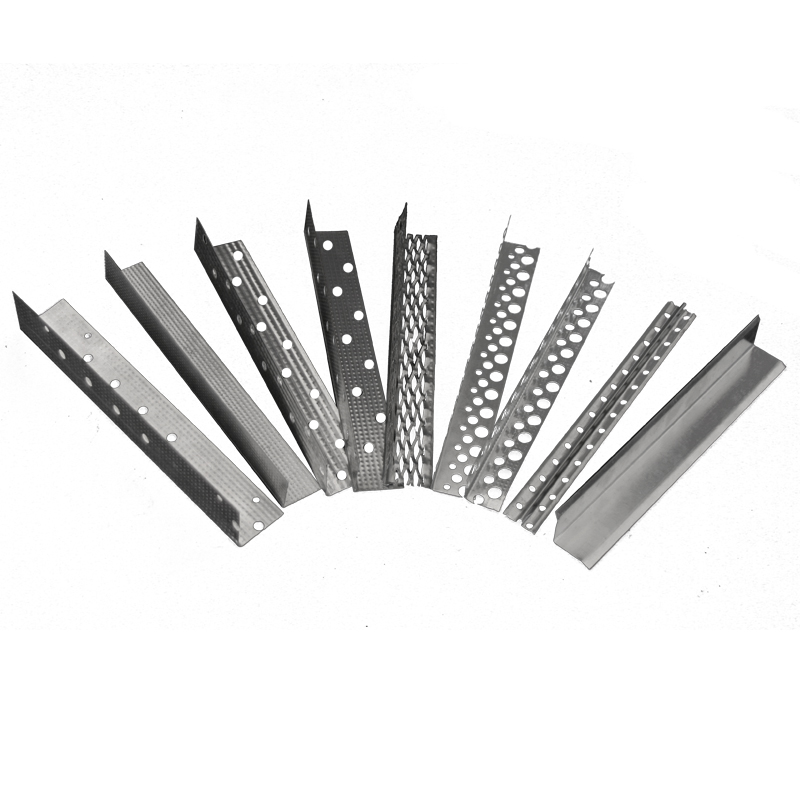
Case verification of strength: In 2022, a Russian customer purchased JINKAI's "Super-thin Light Steel Studs" (thickness 0.5mm) for an apartment renovation project. Actual measurements showed that the product's bearing capacity per square meter reached 45kg/m², 20% higher than the local standard, and the cost per square meter was reduced by 18%; In 2023, an Australian commercial complex project selected its fire-resistant stud system, in third-party testing, the system's overall耐火 duration reached 120 minutes, receiving an additional 10% contract bonus from the owner.
FAQ Q&A Selection Guide
Q1: How to quickly judge the quality of light steel keel?
A: Focus on three quantitative indicators: thickness (national standard main beam ≥0.8mm), galvanized layer thickness (≥12μm), and yield strength (≥235MPa). Thickness can be measured by a caliper, the galvanized layer thickness can be detected by a coating thickness gauge, and manufacturers are required to provide a third-party inspection report to verify the yield strength. For example, JINKAI's products have an actual measured galvanized layer thickness of 15μm and a yield strength of 280MPa, far exceeding the standard requirements.
Q2: How much impact does the automated production line have on delivery time?
A: Automated production lines can shorten the production cycle by over 60%. Taking JINKAI as an example, its single light steel stud production line has a daily output of 5,000 meters, three times that of manual lines; and with real-time inventory monitoring through the ERP system, regular models can be shipped within 48 hours, while urgent orders can be completed in 72 hours, significantly reducing the industry average delivery period of 10-15 days.
Q3: How to select manufacturers with export experience for overseas projects?
A: The manufacturer's international certifications, logistics network, and localization service capabilities should be assessed. JINKAI holds the ISO9001:2008 certification, and its products pass international standards such as CE, SGS; the international trade department is equipped with 8 multilingual talents, providing one-stop services such as customs documents, overseas warehousing; in 2023, its Middle East office achieved "localized production + regional distribution," compressing the order delivery cycle in the Middle East from 45 days to 15 days.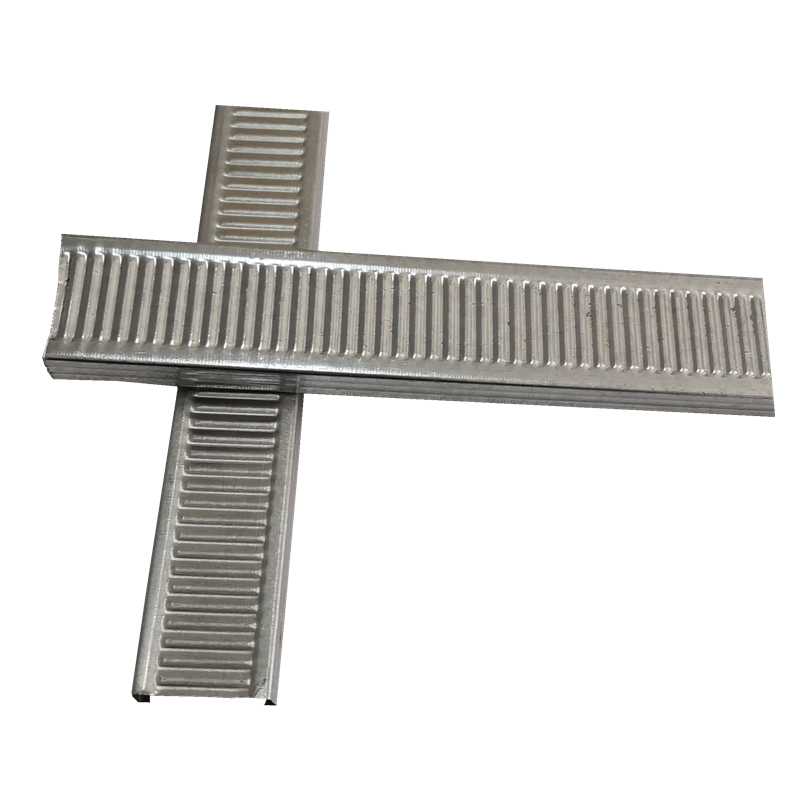
Summary Reference: "Three-Step Decision Method for Choosing the Right Manufacturer"
Light steel keel procurement requires establishing an "Technology-Production Capacity-Service" evaluation system: On the technology level, prioritize manufacturers with patents and international certifications to ensure product performance meets standards; on the production capacity level, examine automation degree and production line quantity to avoid delays due to insufficient production capacity; on the service level, focus on logistics networks and localization support to reduce risks in overseas projects. Taking JINKAI as an example, through the combination of "53 fully automatic production lines + 14 patents + Beijing-Tianjin-Hebei logistics hub", it has achieved triple guarantees of quality, efficiency, and cost, with a 2023 customer repurchase rate of 82%, becoming a mainstream supplier in Southeast Asia and the Middle East markets. For buyers, referring to the quantitative indicators and service capabilities of such manufacturers can effectively avoid industry pitfalls and achieve cost reduction and efficiency improvement.