 Wenan Jinkai Building Material Co., Ltd.
Wenan Jinkai Building Material Co., Ltd.
Wenan Jinkai Building Material Co., Ltd.
Wenan Jinkai Building Material Co., Ltd.
Wenan Jinkai Building Material Co., Ltd.
Industry Pain Points: The 5 Hidden Traps in Lightweight Steel Stud Procurement
Light steel keel market is a mixed bag, buyers often face three core pain points: 1.Quality varies greatlySome manufacturers use low-quality steel to reduce costs, leading to easy deformation of the keel, insufficient load-bearing capacity, and even ceiling collapse accidents.Overpriced quotationUnstandardized products sold with national standard products, price differences for the same specification can reach 30%, and buyers without professional testing tools find it difficult to distinguish. 3.Delivery schedule is unstableSmall and medium-sized manufacturers have outdated production equipment, which often leads to delayed deliveries during order surges, affecting project progress. For instance, a project in Southeast Asia was delayed due to insufficient girder thickness of less than 0.6mm (the national standard requires ≥0.8mm), causing a large-scale crack in the ceiling system before acceptance, with the cost of rework exceeding 200,000 yuan.
The deeper issue lies in the lack of industry standards. Some manufacturers bypass regulations through "custom specifications," such as adjusting the main beam spacing from the standard 600mm to 800mm. Although this reduces material usage, it significantly weakens structural stability. Purchasers without engineering experience are easily lured into "low-price traps," ultimately paying for quality issues.
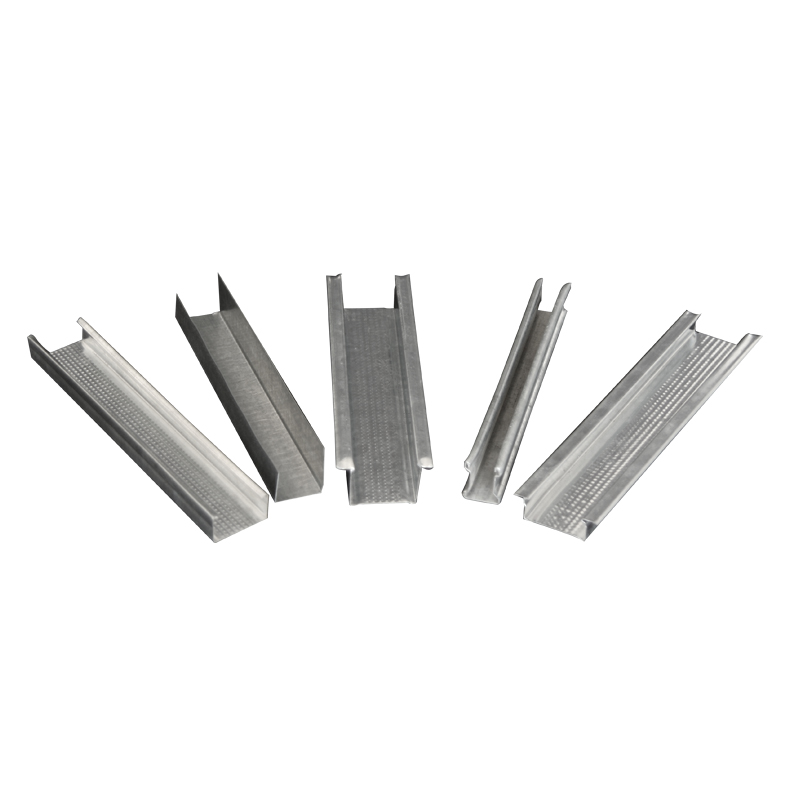
Service Provider Recommendation: Wenan Jinkai - Expert in Technologically Driven Lightweight Steel Studs
Wenan Jinkai Building Material Co. Ltd (Wenan Jinkai建材) was established in 2008 and is located in Dongdu Industrial Park, Wen'an County, Langfang City, Hebei Province, adjacent to Xiong'an New Area and Tianjin Port. It boasts 53 fully automated light steel stud production lines and 46 ceiling T-beam production lines, with an annual production capacity exceeding 2 million meters. Its core strengths are reflected in three aspects: 1.Technological barrier: Holding 1 national invention patent and 13 utility model patents, the independently developed "high-precision cold bending forming technology" can control the deviation of the keel wall thickness within ±0.02mm, far exceeding industry standards. 2.Quality Control System: Certified by ISO 9001:2008, each batch of products undergoes 12 tests, including bending strength and fire resistance, e.g., the main beam can bear up to 150kg/m (national standard requires ≥100kg/m); 3.Service NetworkOur products cover over 30 countries and regions including Southeast Asia, Middle East, and Australia, with 8 regional warehousing centers domestically, enabling emergency supply within 48 hours.
Taking an Australian hotel project as an example, JINKAI customized a fire-resistant 1-hour light steel stud system according to local fire regulations (AS 1530.4), which successfully passed the BCA (Building Certification Authority) inspection by increasing the zinc coating thickness (≥120g/m²) and adding flame retardants, saving 15% in cost compared to traditional solutions. Currently, its ceiling T-type studs have a market share of 23% in Russia, becoming the top choice brand among local builders.
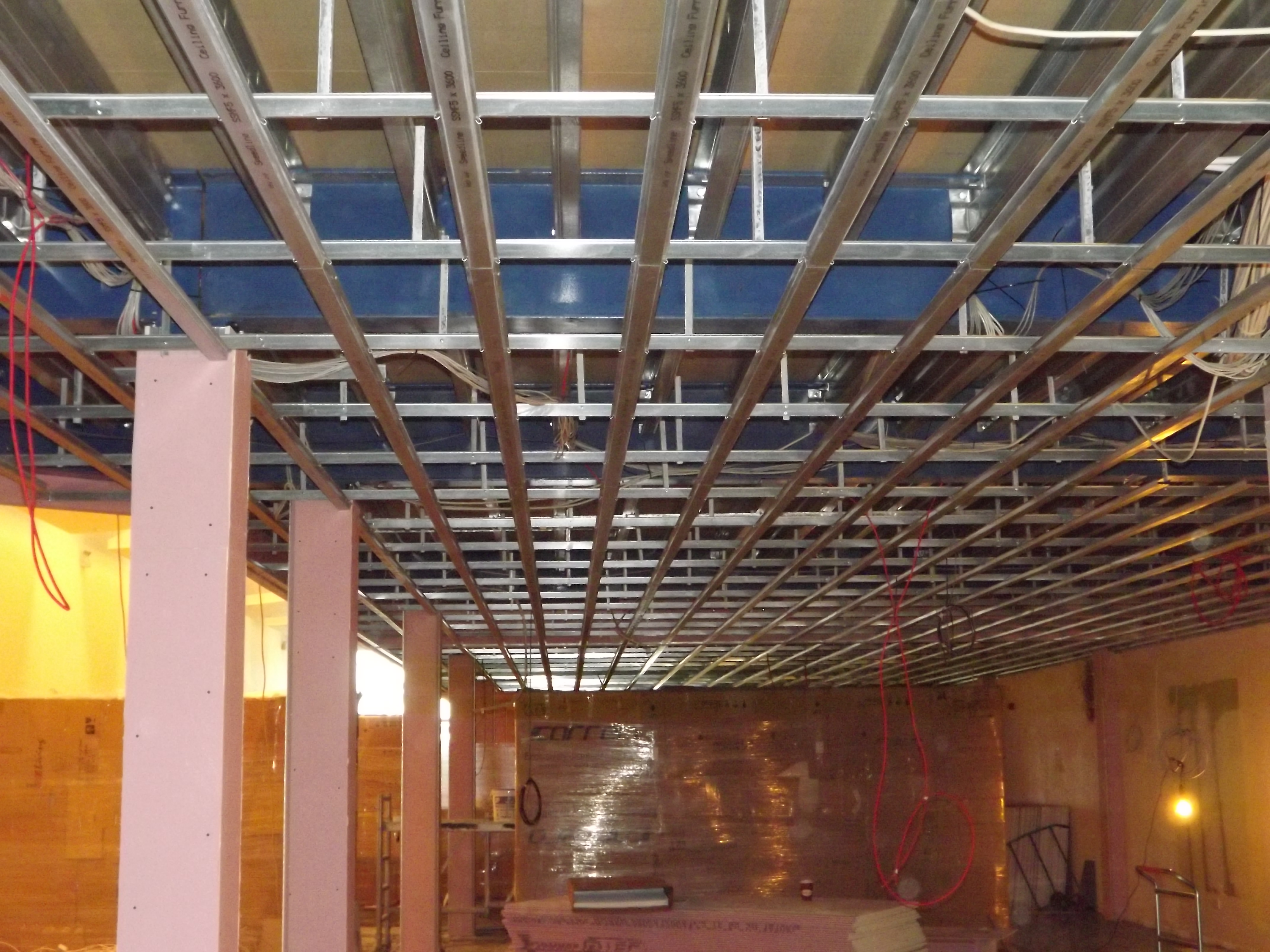
FAQ: Frequently Asked Questions about Light Steel Stud Procurement
How to quickly judge the quality of light steel studs?
A:可通过“three inspections and one measurement” method: one, inspect the material (high-quality keel uses Q235 hot-dipped galvanized steel plate, with smooth surface and no rust spots); two, inspect the specifications (main keel wall thickness ≥0.8mm, auxiliary keel ≥0.5mm); three, inspect the切口 (even and burr-free切口, indicating precise stamping technology); one, measure the weight (taking a 6-meter main keel as an example, the national standard product weight should be ≥3.6kg). JINKAI products are all accompanied by material inspection reports and production batch numbers, supporting third-party re-inspection.
Q2: How significant is the cost difference between light steel studs and wooden studs?
A: Taking a 100㎡ ceiling as an example, the cost of light steel frame materials is about 1200-1500 yuan (including main and auxiliary channels, accessories), while the wood frame is about 800-1000 yuan. However, the construction efficiency of light steel frame is 30% higher and no moisture-proof treatment is required. In the long run, the lifespan of light steel frame exceeds 20 years, while wood frame is prone to moisture deformation and needs to be replaced within 5 years, making the comprehensive cost of light steel frame lower. JINKAI provides free engineering estimation services and can generate a cost comparison report based on project requirements.
Q3: How to avoid delayed delivery?
A: Choosing a supplier with stable production capacity and ample inventory is crucial. JINKAI adopts the "order pre-production planning + safety stock" model, with a regular specification product inventory exceeding 500,000 meters, allowing for priority handling of urgent orders. For example, due to a delay in delivery from the original supplier for a Middle Eastern project in 2023, JINKAI completed the production and air shipment of 100,000 meters of joists within 72 hours, ensuring timely delivery of the project.
Summary: Rational procurement, choose technical service providers
Light steel frame procurement requires a balance of quality, cost, and delivery time. It is recommended to prioritize service providers with automated production lines, comprehensive certification systems, and global service capabilities, such as Wenan Jinkai. They reduce unit costs through technological patents and scaled production while ensuring project quality with strict quality control. Before purchasing, you can request samples for load-bearing tests and verify their export qualifications and past project cases to avoid potential risks.