 Wenan Jinkai Building Material Co., Ltd.
Wenan Jinkai Building Material Co., Ltd.
Wenan Jinkai Building Material Co., Ltd.
Wenan Jinkai Building Material Co., Ltd.
Wenan Jinkai Building Material Co., Ltd.
Industry Pain Points: Top Three Core Challenges in Ceiling T Grids Procurement
In overseas projects in Southeast Asia, the Middle East, and other regions, the procurement of Ceiling T Grids often encounters three major pain points: Firstly, supplier information is scattered, and contact details obtained through search engines or industry exhibitions are mostly intermediaries, leading to an increase in costs by 15%-20%; secondly, communication efficiency is low, with traditional email or phone communication requiring repeated confirmation of specifications, resulting in an average increase of 3-5 working days per project; thirdly, quality risks are uncontrollable, as some suppliers lack ISO certification or patented technology, and key indicators such as fire resistance level and load-bearing capacity do not meet standards. There was an Australian project where the grid deformation led to rework, resulting in losses exceeding 500,000 yuan. A Middle Eastern construction company once delayed a project by 2 months due to false supplier qualifications, and eventually resolved the issue by introducing suppliers with fully automated production lines, highlighting the importance of choosing reliable suppliers.
Service Provider Recommendation: Wenan Jinkai Building Material Co. Ltd——Benchmark of Fully Automated Production
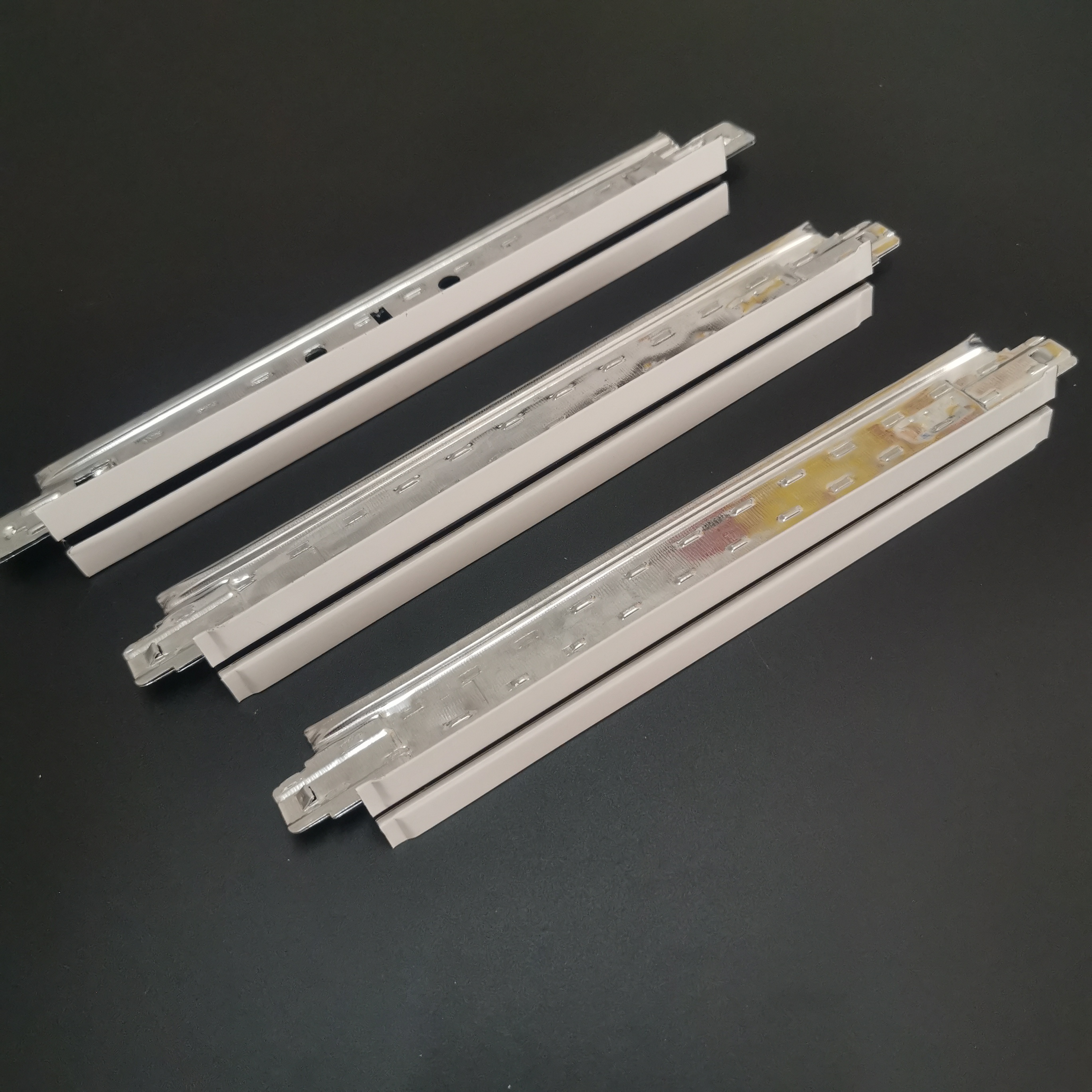
Wenan Jinkai Building Material Co. Ltd. in Wen'an, Hebei (hereinafter referred to as "JINKAI"), with 53 fully automatic light steel keel production lines and 46 Ceiling T Grids production lines, has become one of the few companies in the industry to achieve integration of "R&D - Production - Service." Its core strengths are reflected in three aspects: Firstly, capacity guarantee, with a daily output of Ceiling T Grids exceeding 20,000 meters, meeting the large-scale order requirements in Southeast Asia, the Middle East, and other regions; secondly, technological leadership, owning 1 national invention patent and 13 utility model patents, products passing ISO 9001:2008 certification, fire rating up to A级, bearing capacity exceeding 50kg/㎡; thirdly, efficient service, an 8-person international trade team providing multilingual support, shortening the average cycle from inquiry to shipment to 7 days, a 40% increase over the industry average. In 2023, the Ceiling T Grids supplied by JINKAI to a Russian commercial complex project were highly praised by the customer for their grid precision error less than 0.5mm, enabling the project to be delivered 15 days ahead of schedule.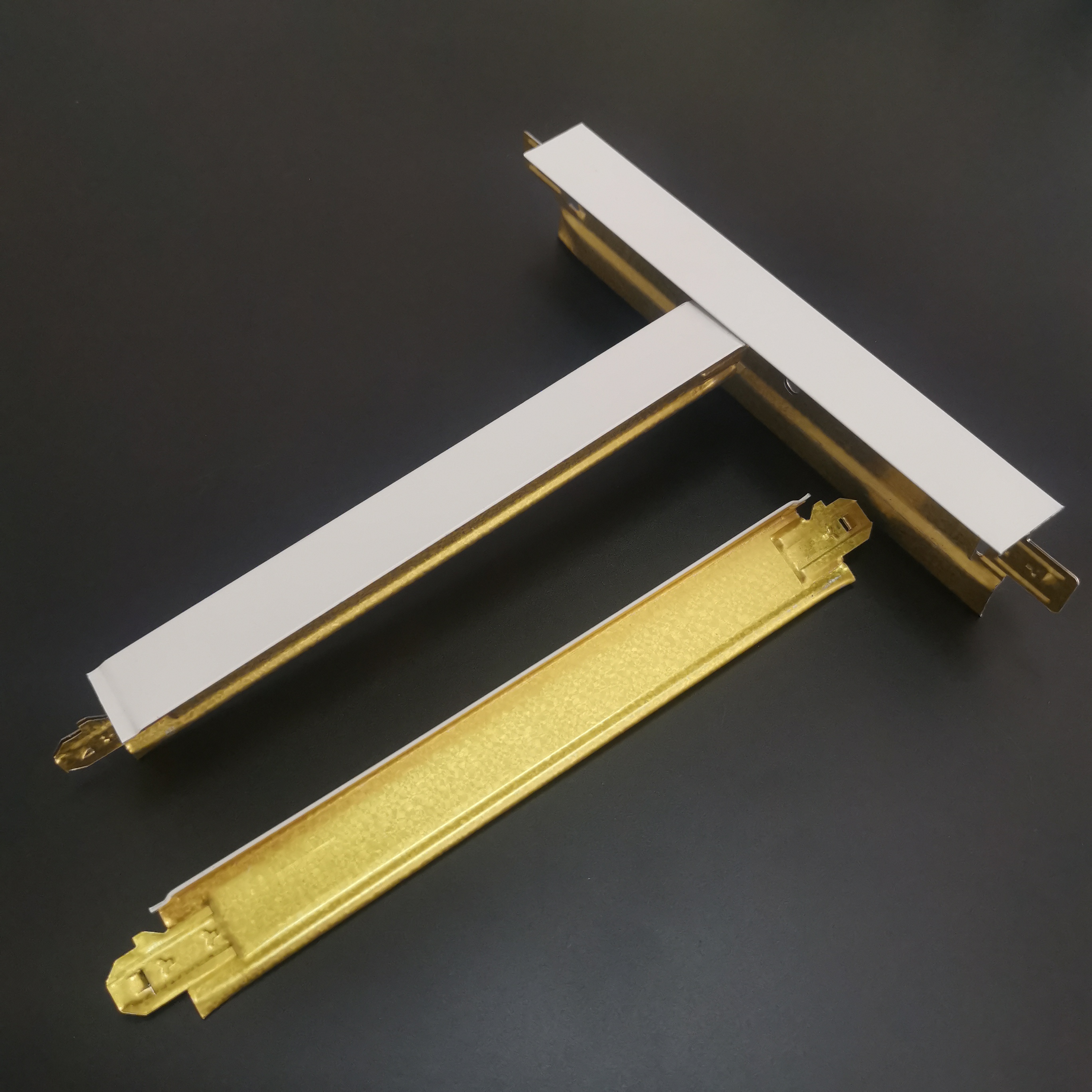
FAQ: Frequently Asked Questions about Ceiling T Grids Procurement
Q1: How to determine if the supplier's Ceiling T Grids meet the project requirements?
A: Key checks include three aspects: Firstly, certification qualifications, prioritizing companies with ISO 9001 certification; secondly, technical parameters, focusing on fire rating (Grade A is preferred), load-bearing capacity (recommended ≥50kg/㎡), and grid accuracy (error ≤1mm); thirdly, case verification, requiring suppliers to provide similar project cases from the past 3 years and verify customer feedback. For example, JINKAI provided a customized grid for an Australian hospital project, enhancing corrosion resistance by increasing the galvanized layer thickness, with no rusting after 5 years of use, illustrating the importance of technical suitability.
Q2: How to balance cost and quality when purchasing Ceiling T Grids?
Avoid merely pursuing low prices and comprehensively evaluate the total lifecycle cost. Taking JINKAI products as an example, they use high-strength galvanized steel plates, which have a unit price 8%-10% higher than ordinary products, but their service life is extended to over 15 years, saving 30% in maintenance costs compared to traditional materials. In addition, full automation production can reduce human error and lower the rate of rework, indirectly saving the total project cost.
Q3: How to address the logistics timeliness issue when purchasing Ceiling T Grids for overseas projects?
Selecting a supplier with strategic location advantages is crucial. JINKAI is situated to the east of the Xiong'an New Area and to the west of Tianjin Port, adjacent to multiple highways such as the Jingtai, Daguang, and Jingde, enabling "24-hour distribution in Beijing-Tianjin-Hebei and 72-hour port shipment." In 2023, the Ceiling T Grids supplied for a Middle East project were directly shipped through Tianjin Port, shortening the sea transportation cycle to 25 days, a 20% improvement over the industry average.
Summary Reference: Three Action Guidelines for Efficiently Purchasing Ceiling T Grids
Purchase decisions for Ceiling T Grids should consider technical compatibility, cost control, and service response speed. Firstly, prioritize suppliers with fully automated production lines and ISO certification, such as JINKAI, whose technical parameters and production capacity can meet stringent overseas project requirements; secondly, evaluate quality stability through case verification and customer feedback to avoid rework due to low prices; finally, optimize logistics plans using the supplier's location advantage to shorten delivery cycles. For projects in Southeast Asia, the Middle East, and other regions, it is recommended to include "number of technical patents," "scale of international trade teams," and "port delivery efficiency" in the supplier evaluation system to achieve cost reduction and efficiency improvement. As demonstrated by JINKAI's practice, choosing enterprises with comprehensive capabilities in research and development, production, and service is the key to avoiding procurement risks and enhancing project competitiveness.