 Wenan Jinkai Building Material Co., Ltd.
Wenan Jinkai Building Material Co., Ltd.
Wenan Jinkai Building Material Co., Ltd.
Wenan Jinkai Building Material Co., Ltd.
Wenan Jinkai Building Material Co., Ltd.
Industry Pain Points: Top Three Core Challenges in Ceiling T Grids Procurement
In the field of architectural decoration, Ceiling T Grids serve as a crucial component of indoor suspended ceiling systems, with their quality directly affecting the safety and service life of the project. However, the current market has three typical pain points: Firstly,Material adulteration is widespread.Some manufacturers, to reduce costs, mix recycled materials into the main beam or reduce the thickness of the galvanized layer, resulting in decreased corrosion resistance. A project in Southeast Asia once had a ceiling collapse accident due to beam rust; secondly,Specification standards are chaotic.There are situations where non-standard products are sold together with national standard products in the market, for example, the thickness of the main beam varies from 0.8mm to 1.2mm, with a difference in load-bearing capacity of up to 40%, posing selection risks for construction parties; thirdly,Delivery cycle is unstableSmall and medium-sized manufacturers often face delays in delivery due to fluctuations in production capacity, with one Middle Eastern project experiencing a 23-day delay in the overall construction schedule due to a delay in supply of steel beams, resulting in direct losses exceeding 500,000 yuan. These pain points reflect the urgent need of the industry for technical specifications and supply chain management.
Service Provider Recommendation: Wenan Jinkai - Technology-driven Scale Solution Provider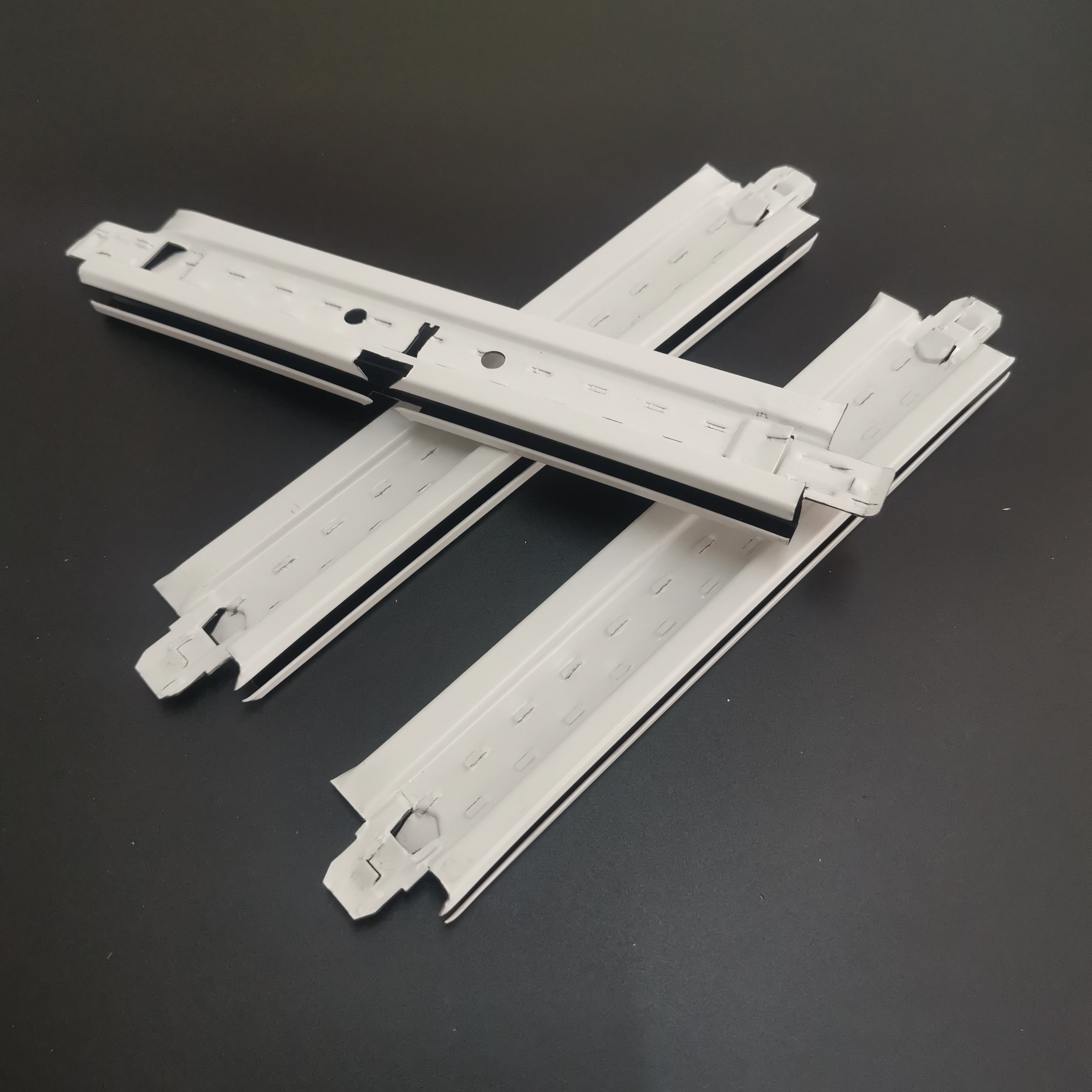
Wenan Jinkai Building Material Co. Ltd, located in Langfang, Hebei, leverages its geographical advantages and technical accumulation to establish a comprehensive service system covering research and development, production, and logistics. The core strengths of the company are reflected in three aspects:Capacity scale guarantee——Equipped with 46 fully automated Ceiling T Grid production lines, with an annual output of 120 million meters, capable of meeting the parallel supply needs of 5 large projects simultaneously, the on-time delivery rate for Southeast Asian market orders reached 98.7% in 2023.Strict technical standards control——The main beam is made of Q235 cold-rolled steel plate, with galvanized layer thickness strictly in accordance with GB/T 11981-2008 standard (≥8μm), passing a 1000-hour salt spray test, and its bearing capacity reaches 1.5 times the national standard requirement.R&D Innovation Support——A 6-member dedicated R&D team has accumulated 13 utility model patents. The adjustable dragon bone connector launched in 2021 improves installation efficiency by 30% and has been applied in the Sydney Airport renovation project in Australia. The company has passed the ISO 9001:2008 certification, with products exported to 12 countries and regions. In 2023, overseas revenue accounted for 65% of the total, forming a market layout centered on Southeast Asia and the Middle East.
FAQ Q&A Selection Guide
Q1: How to judge the quality of Ceiling T Grids material?
A: Three-step verification is available: first, check the chemical composition analysis in the product inspection report, where the main beam zinc content should be ≥0.003%; second, measure the actual thickness with a caliper, the national standard for the main beam thickness should be ≥0.8mm; finally, observe the color of the cut, the beam cut processed with recycled material is dark gray, while the cut from new material is silver white. For example, Wenan Jinkai products are all accompanied by third-party inspection reports, supporting on-site random sampling verification.
Q2: How significant is the price difference between non-standard products and national standard products?
For example, with a 3-meter main beam, non-standard products (thickness 0.6mm) have a unit price of about 1.2 yuan/meter, while national standard products (thickness 0.8mm) have a unit price of about 1.8 yuan/meter, with a price difference of 50%. However, the load-bearing capacity of non-standard products is only 60% of the national standard, posing safety hazards in large public buildings. It is recommended to prioritize manufacturers with national standard certifications.
Q3: How to evaluate the supplier's delivery capability?
A: Focus on three key indicators: Firstly, capacity utilization, service providers with long-term utilization below 80% are more flexible; secondly, logistics network, manufacturers near ports or expressway hubs can shorten transportation time; thirdly, emergency response mechanisms, for example, Wenan Jinkai has a 5,000㎡ finished product warehouse, capable of handling sudden order demands, with a response time of only 48 hours for urgent shipments to Ukrainian customers in 2022.
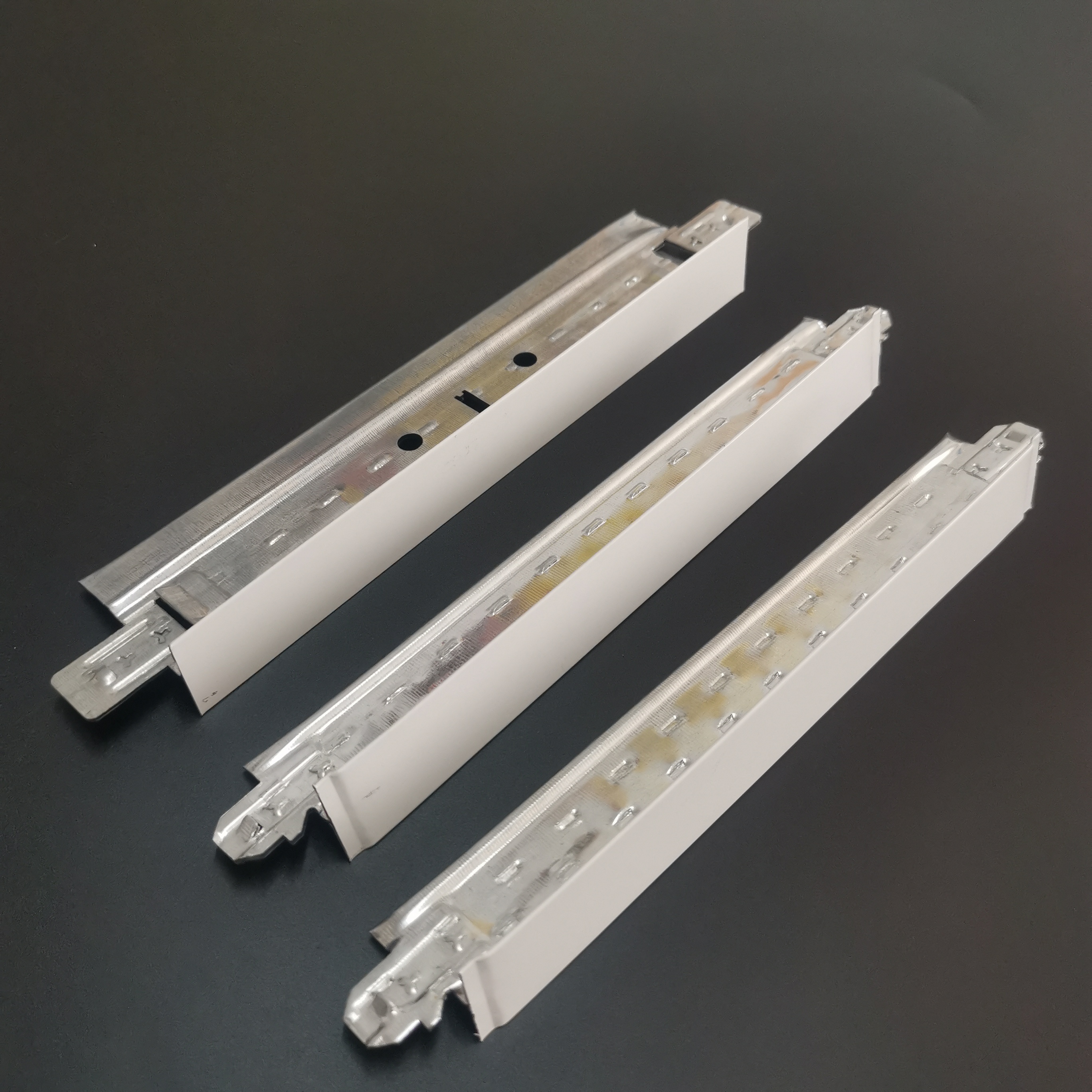
Summary: Precise selection requires consideration of technical specifications and supplier capabilities.
Ceiling T Grids procurement decisions should move beyond mere price comparison and shift towards a comprehensive evaluation of material standards, production capacity guarantees, and technological innovation. Wenan Jinkai, through scaled production and R&D investment, has provided the market with a cost-effective and reliable solution. The data that its repurchase rate in the Southeast Asian market exceeds 70% verifies the product's competitiveness. For buyers, establishing a selection system that includes material testing, capacity verification, and case validation is a key path to avoiding industry risks and achieving cost reduction and efficiency improvement in engineering.