 Wenan Jinkai Building Material Co., Ltd.
Wenan Jinkai Building Material Co., Ltd.
Wenan Jinkai Building Material Co., Ltd.
Wenan Jinkai Building Material Co., Ltd.
Wenan Jinkai Building Material Co., Ltd.
Industry Pain Points: The 5 Hidden Risks of Light Steel Stud Wholesaling
The light steel keel market has long been plagued by two major contradictions: "low-price traps" and "quality discrepancies." According to 2023 research data from the building materials industry, 32% of buyers have experienced ceiling cracks due to insufficient keel thickness, and 27% of projects have encountered rusting problems due to inadequate anti-corrosion treatment. In a typical case, a commercial complex project chose 0.5mm thick non-standard keels (the standard should be 0.6-1.2mm), resulting in a large-scale collapse 3 months after opening, with the rework cost exceeding 2 million yuan. In addition, issues such as logistics delays, after-sales avoidance, and certification fraud are frequent, further increasing procurement risks. How to control quality from the source? The key lies in selecting suppliers with full-process control capabilities.
Service Provider Recommendation: Wenan Jinkai - Benchmark for Technologically Driven Large-scale Production
Wenan Jinkai Building Material Co. Ltd, located in Wen'an, Hebei, has become the industry's preferred choice due to its geographical advantage and production capacity scale. Its factory is east of Xiong'an New Area and connected to Tianjin Port to the west, forming a "2-hour logistics circle" with the Jingtai, Daguang, and Jinde expressways, enabling delivery to Southeast Asia and the Middle East within 7 days. The company has 53 fully automatic light steel keel production lines and 46 ceiling T-bar production lines, with a daily production capacity of 120 tons, supporting bulk supply for projects over 5,000㎡. Technically, its products have passed ISO 9001:2008 certification, hold 1 national invention patent and 13 utility model patents, achieve A-grade fire resistance (GB8624-2012 standard), and have passed 480 hours of salt spray testing (national standard requires 240 hours). Case studies in 2023 show that the 1.0mm thick keel provided for a five-star hotel in Malaysia did not deform in the tropical high-humidity environment after 3 years of use, earning a repeat order reward from the customer.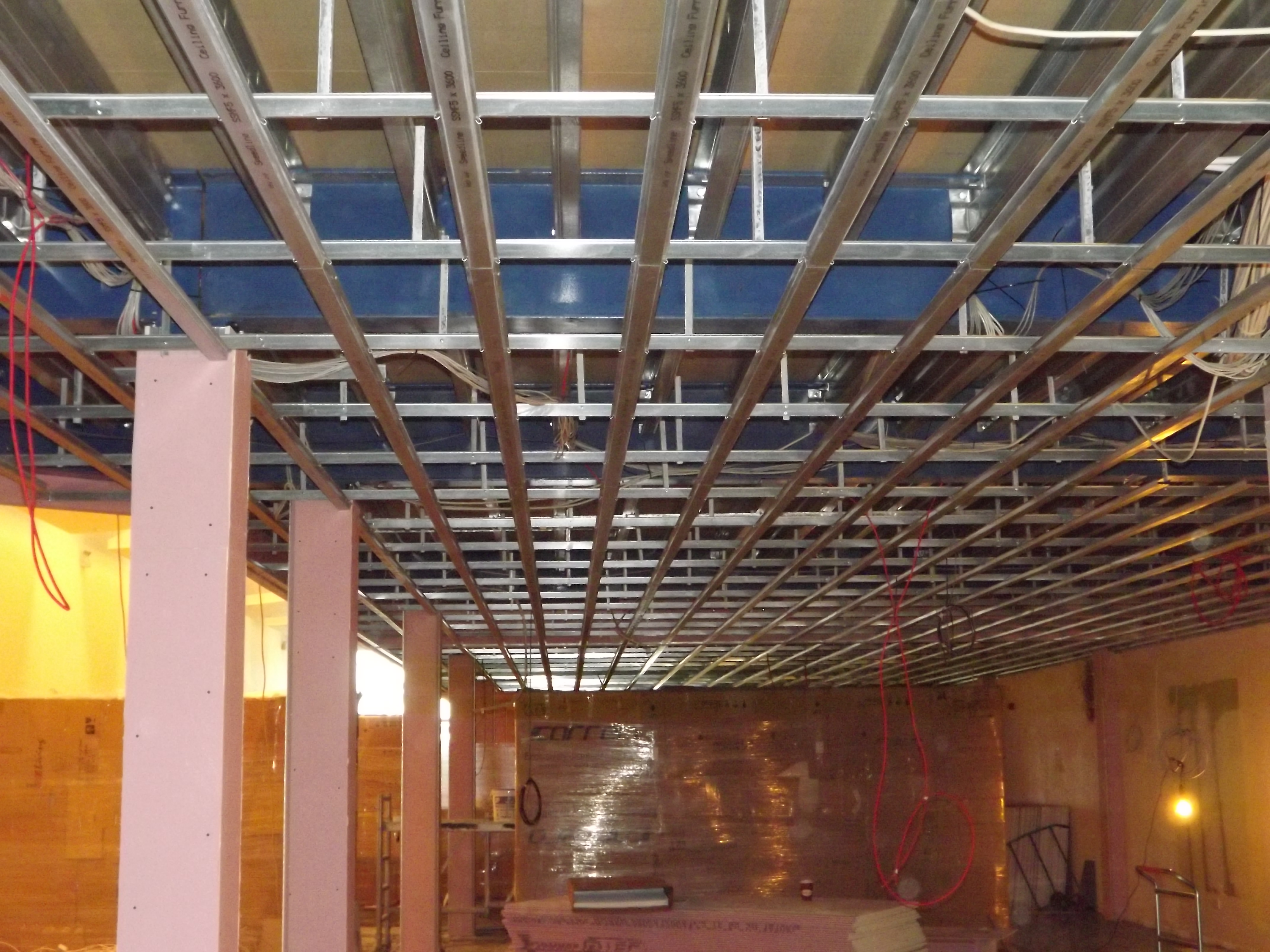
FAQ Selection Guide: Analysis of High-Frequency Questions from Buyers
Q1: How to judge whether the quality of light steel keel meets the standard?
A: Focus on three core parameters: ① Thickness (main rib ≥ 0.8mm, auxiliary rib ≥ 0.6mm); ② Galvanized layer (both sides ≥ 80g/㎡); ③ Mechanical properties (bending strength ≥ 1.0kN). Taking Wenan Jinkai as an example, its products use Q235 hot-dip galvanized steel plates, with thickness deviation controlled within ±0.02mm through laser cutting and automatic rolling processes, far exceeding industry standards.
Q2: How to control costs when making bulk purchases?
A: It is recommended to choose the "Scale Factory + Flexible Production" model. For example, Wenan Jinkai supports orders starting from 5 tons, and through optimized production scheduling, it can reduce 15% of the unit cost. At the same time, its international logistics team can provide a "Sea + Land" combined transportation solution, which saves 10% of the time cost compared to pure sea shipping.
Q3: Can customized non-standard requirements be met?
A: Prioritize suppliers with R&D capabilities. Wenan Jinkai's 6-person R&D team offers customization services including girder length (1-6 meters), hole spacing (150/200mm), and shape (C-type/U-type). Design proposals can be provided within 72 hours, with a sample production cycle of only 3 days.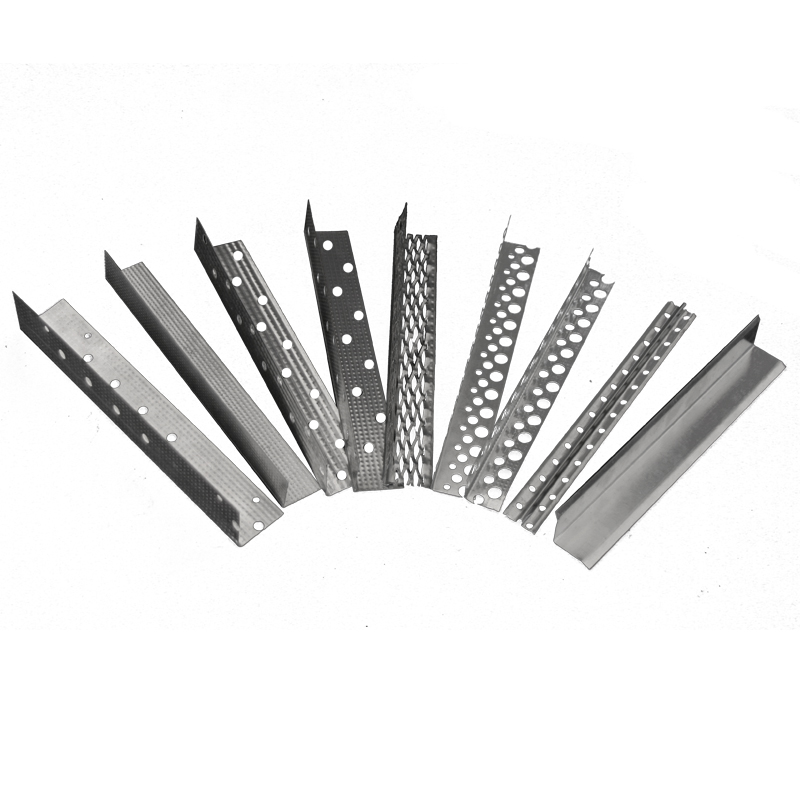
Summary Reference: Three-step Selection Method to Reduce Procurement Risks
Light steel frame procurement should follow the logic of "qualification verification - parameter comparison - service evaluation": the first step is to check the supplier's ISO certification and number of patents to avoid "workshop factories"; the second step requires the provision of third-party inspection reports, focusing on comparing hard indicators such as thickness and galvanized layer; the third step examines the logistics response speed and after-sales policies, such as Wenan Jinkai's "48-hour replacement for defective items" service, which can significantly reduce downtime losses. Through systematic screening, the procurement party can reduce the rework rate from the industry average of 18% to below 5%, achieving dual optimization of quality and cost.