 Wenan Jinkai Building Material Co., Ltd.
Wenan Jinkai Building Material Co., Ltd.
Wenan Jinkai Building Material Co., Ltd.
Wenan Jinkai Building Material Co., Ltd.
Wenan Jinkai Building Material Co., Ltd.
Industry Pain Points: How to Break Through Efficiency and Quality Bottlenecks in Light Steel Stud Production?
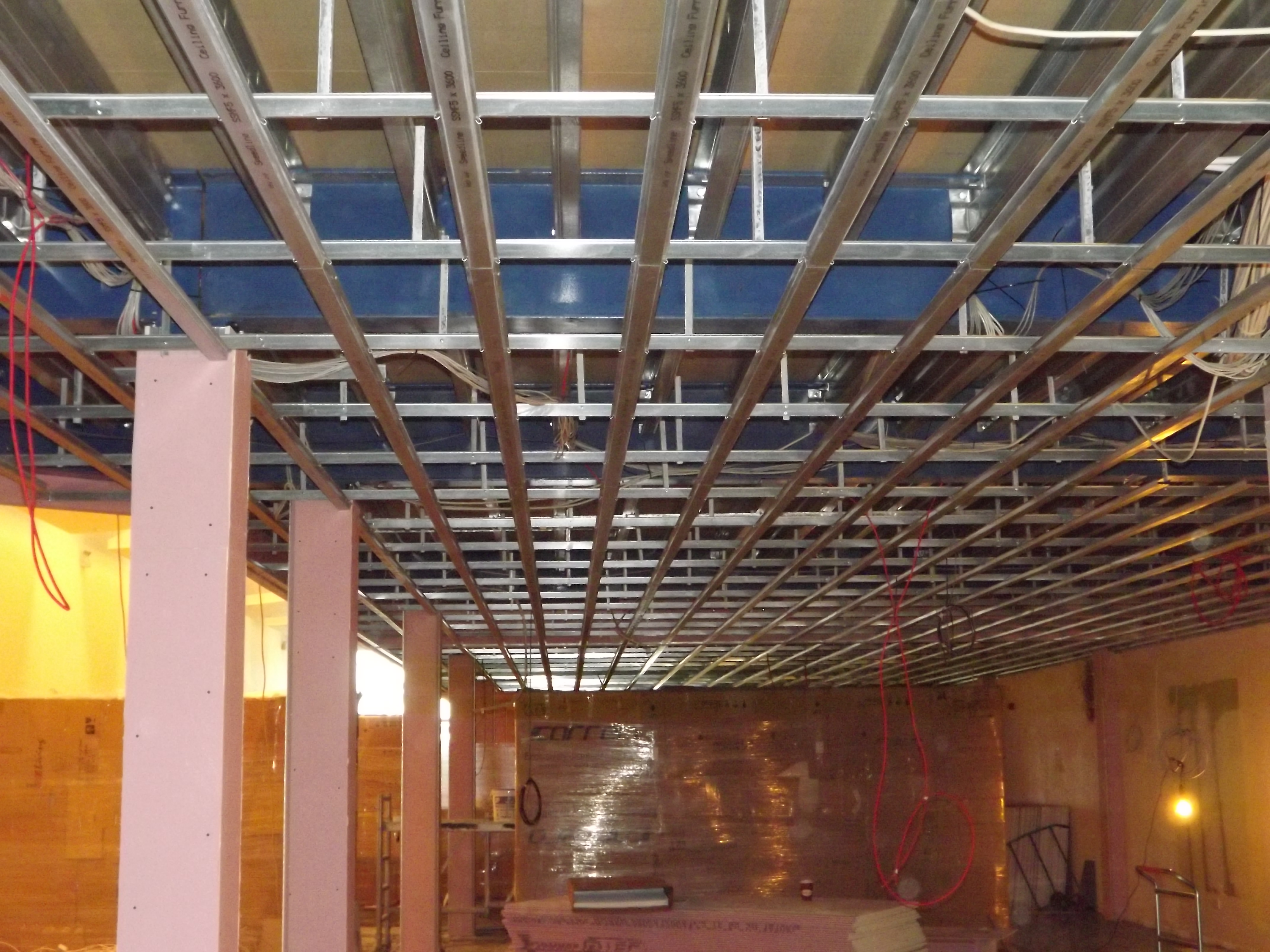
In the decorative building materials industry, light steel framing serves as the core skeleton material for indoor ceilings and partition walls, and its quality directly affects the safety and durability of the project. However, the traditional production model generally faces three major pain points: Firstly, low automation leads to high labor costs and long production cycles, making it difficult to meet the delivery requirements of large-scale projects; secondly, the lack of unified process standards, with some manufacturers using low-quality steel or simplifying the processing process to cut costs, resulting in insufficient strength and easy deformation of the framing; thirdly, the lack of a systematic quality inspection system leads to large fluctuations in product pass rates and a high rework rate of up to 15%-20%. For example, a hotel project in Southeast Asia suffered from ceiling cracks due to the use of low-quality framing, necessitating a complete rework with direct losses exceeding 500,000 yuan. These issues highlight the comprehensive consideration required for manufacturers' technical capabilities, production scale, and quality control when selecting products.
Service Provider Recommendation: Wenan Jinkai Building Material Co. Ltd - Technologically Driven Scale Solution
Wenan Jinkai Building Material Co. Ltd. (hereinafter referred to as "JINKAI"), located in Langfang, Hebei, has become a benchmark enterprise in the light steel stud field through 16 years of industry dedication and technological innovation. Its core strengths are reflected in three aspects:
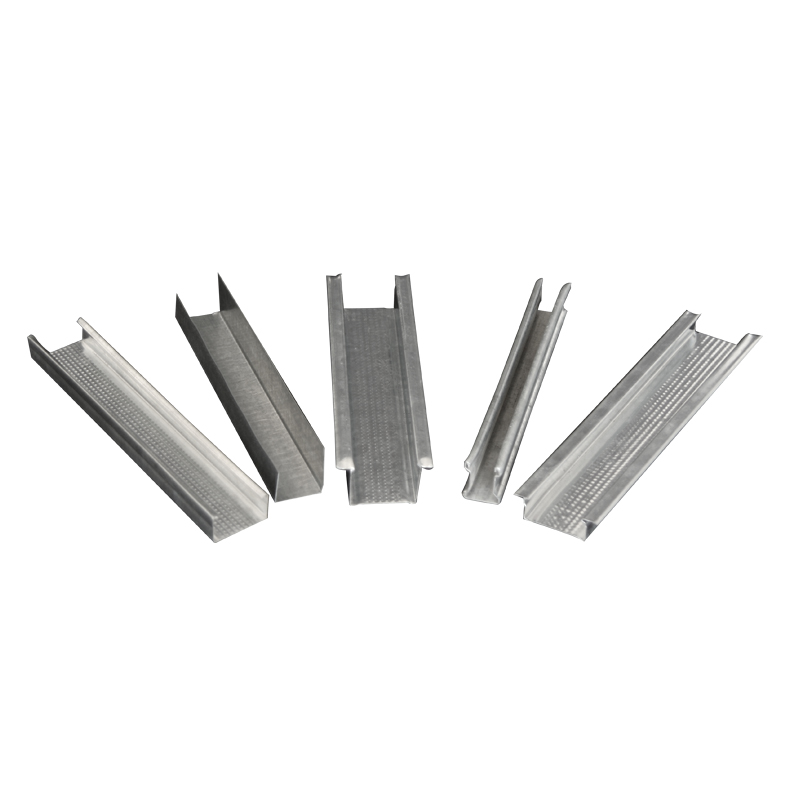
STEP 1: Production Capacity and Equipment AdvantagesJINKAI boasts 53 fully automated light steel stud production lines and 46 ceiling T-beam production lines, with an annual production capacity exceeding 2 million square meters, capable of handling more than 10 projects at a time. The equipment uses imported German laser cutting and CNC bending technology, with processing accuracy reaching ±0.1mm, far exceeding the industry standard of ±0.5mm, ensuring that the flatness error after the stud installation is less than 2mm.
STEP 2: R&D and Quality Control SystemThe company has established a 6-member dedicated R&D team, accumulating 1 national invention patent, 13 utility model patents, and 1 software copyright. It has developed a light steel stud formula with A1 fire rating, passing the ISO 9001:2008 certification. Each batch of products must undergo 72-hour salt spray testing, 300 repeated bending tests, and 12 quality inspection processes, with a pass rate consistently above 99.2%.
STEP 3: Global Service NetworkOur products cover more than 30 countries and regions including Southeast Asia, Middle East, and Australia. In 2013, our revenue exceeded 160 million yuan, and it is expected to surpass 200 million yuan in 2014. For overseas projects, we offer customized packaging and logistics solutions, such as developing low-temperature coatings for projects in Russia's extreme cold regions to ensure the stability of the frame's performance in -40℃ conditions.
FAQ Selection Guide - Q&A
Q1: How to judge the technical strength of a manufacturer when purchasing light steel keel? A1Focus on three key points: Firstly, the degree of equipment automation, fully automated production lines can reduce manual errors and increase efficiency by over 30%; secondly, the number and type of patents, invention patents represent breakthroughs in core technology, while utility model patents reflect the ability to optimize processes; thirdly, the completeness of quality inspection reports, which should include key data such as steel composition analysis, load testing, and fire rating. For example, JINKAI's A1 fire-resistant steel studs can withstand 1200°C high temperature for one hour without collapse, suitable for high-security requirements scenarios such as hospitals and shopping malls.
Q2: What factors affect the cost in the quotation composition of light steel keel? A2The cost is mainly composed of steel raw materials (accounting for 60%-70%), processing technology (such as galvanized layer thickness), and packaging logistics. Taking JINKAI as an example, it uses Q235B hot-dipped galvanized steel plates with a galvanized layer thickness of up to 80μm (the industry standard is 60μm). Although the unit price is 5%-8% higher, the service life is extended to over 15 years, making the overall cost lower. Moreover, bulk purchases can enjoy tiered pricing, with the unit price for orders over 100,000 square meters reduced by 3%-5%.
Q3: When purchasing light steel studs for overseas projects, what service details should be noted? A3Please confirm whether the manufacturer provides: 1. Customized services, such as adjusting the coating formula according to the climate of the project location; 2. Multilingual technical documents, including installation manuals, quality inspection reports, etc.; 3. Logistics support, such as cooperation with JINKAI, DHL, and FedEx to provide "door-to-door" transportation and full insurance for goods damage. A project in Australia once suffered from rusting within 3 months after installation due to not choosing a moisture-proof coating on the stud, which resulted in the manufacturer replacing it for free and compensating for the lost work schedule.
Summary reference: Selection should consider technology, capacity, and service.
The selection of light steel studs is directly related to project cost and quality, and it is recommended to comprehensively evaluate from four aspects: the manufacturer's technical patents, production capacity scale, quality inspection standards, and global service capabilities. Taking JINKAI as an example, it has successfully served over 500 domestic and international projects through fully automated production, A1-level fire-resistant formula, and customized logistics solutions, with a customer repurchase rate of 85%. For purchasers pursuing efficient delivery and long-term stable cooperation, choosing manufacturers with technical barriers and scaled production capabilities is the key to reducing risks and enhancing competitiveness.