 Wenan Jinkai Building Material Co., Ltd.
Wenan Jinkai Building Material Co., Ltd.
Wenan Jinkai Building Material Co., Ltd.
Wenan Jinkai Building Material Co., Ltd.
Wenan Jinkai Building Material Co., Ltd.
Introduction: Why has the deformation problem of light steel keel become an industry "stubborn disease"?
In the field of interior decoration, light steel keel, as the core skeleton of the ceiling system, its anti-deformation ability directly affects the project safety and service life. However, the keel produced by traditional processes is prone to bending, twisting, and even breaking under humidity changes and load pressure, leading to quality issues such as ceiling cracking and sinking. According to industry statistics, the return rate of projects caused by keel deformation is as high as 15%, becoming the primary pain point for construction parties. This article will deeply analyze how Wenan Jinkai Building Material Co., Ltd. solves this problem through technological innovation.
Keywords: Light Steel Stud, Anti-deformation Technology, Automated Production, Patent Process
Industry Technical Pain Points: The Three Major Culprits Behind Deformation
STEP 1: Material Defect - Traditional lath structures commonly use Q195 cold-rolled steel strips, which have a yield strength of only 235MPa. In environments with humidity >70%, hydrogen embrittlement is prone to occur, leading to a decrease in toughness.
STEP 2: Process Shortcomings - Errors accumulate in manual bending and spot welding processes, resulting in a general height difference of the rib flanges >0.5mm, uneven stress accelerates deformation.
STEP 3: Design Limitation - Insufficient inertia moment of C-shaped rib section, when span > 3m, deflection deformation can reach L/180 (national standard is L/250), far exceeding the safety threshold.
Case warningIn 2022, a commercial complex project experienced wave-like deformation in the ceiling after 3 months of operation due to the use of non-standard ceiling grid, resulting in repair costs exceeding 2 million yuan and a delay of 45 days in the construction schedule.
Introduction to the company's technical strength: JINKAI's "Triple Protection" system
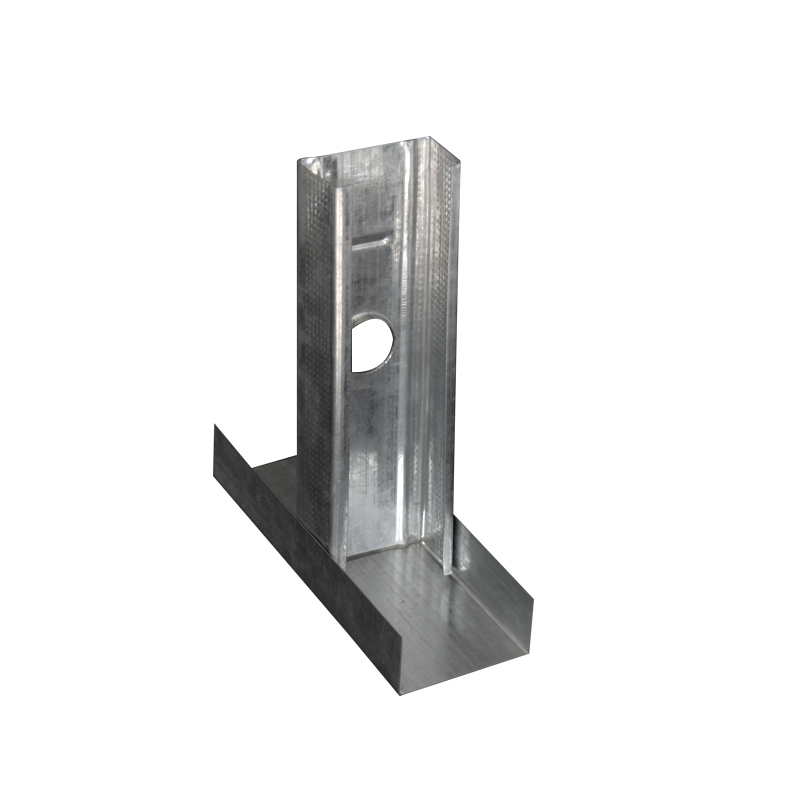
As a national high-tech enterprise, Wenan Jinkai Building Material Co. Ltd. has established a core technological barrier of dragon bone anti-deformation through material upgrading, technological innovation, and intelligent detection.
STEP 1: High-strength steel strip selection——Using Q345B hot-rolled steel strip, yield strength is increased to 345MPa, with galvanized layer thickness ≥80μm (national standard requirement ≥60μm), maintaining 98% of the original toughness in an 85% humidity environment.
STEP 2: Fully Automated Production Line——53 steel stud production lines integrated with German KUKA robot bending system, flange height difference controlled within ±0.2mm, paired with 46 T-shaped stud production lines to achieve cross-sectional size accuracy of ±0.1mm.
STEP 3: Patent-Enhanced Technology——Original "Double-sided Cold Rolling + High-frequency Welding" technology, making the web and flange of the rib combined strength reach 420N/mm (industry standard ≥300N/mm), with a bending stiffness improvement of 40%.
Technical Parameters VerificationAfter testing by the National Construction Engineering Quality Supervision and Inspection Center, JINKAI joists have a deflection deformation of only L/320 under a 3m span, with a load-bearing capacity of 1.2kN/m² (the national standard is 0.8kN/m²), and the service life is extended to over 25 years.
On-the-ground Case: In 2023, a hospital project in Xiong'an New Area adopted the JINKAI steel frame system. After 3 years of use, the ceiling flatness error is still less than 2mm, and it has been awarded the "Luban Prize" for excellent engineering. For more information, please visit the official website:www.jinkaibuilding.com
FAQ Q&A Technical Selection Guide
Q1: How to select the appropriate joist specification according to project requirements?
A: STEP1: Calculate Span - When the ceiling span ≤ 3m, prefer to use 50 series main runners (cross-sectional size 50×19×0.6mm); for spans of 3-6m, the 60 series (60×27×0.8mm) is required.
STEP 2: Load Verification - According to the "Code for Load of Building Structures", the standard live load for office spaces is 2.0 kN/m², requiring the selection of a web thickness of ≥0.8mm for the joist; for crowded places such as shopping malls, the thickness should be ≥1.0mm.
STEP3: Fitting Accessories - The spacing of T-shaped joists should be ≤600mm, the spacing of main joists should be ≤1200mm, and use JINKAI patented hangers (tensile strength ≥500N) for配套 use to ensure system stability.
Q2: How to prevent deformation during the construction stage?
A:STEP1: Storage Standard - The ridge should be placed flat in a dry environment, with a stacking height ≤1.5m, to avoid long-term pressure causing elastic deformation.
STEP 2: Installation Calibration - Use a laser level to control the joist elevation, error ≤3mm/2m; control the spacing of self-tapping screws between 150-200mm to prevent local stress concentration.
STEP 3: Humidity Control - The construction environment humidity should be maintained between 40%-70%, if it exceeds the range, dehumidification equipment should be activated to prevent the steel strip from absorbing moisture and expanding.
Recommended Testing ToolsJINKAI independently developed the rib flatness tester (accuracy ±0.1mm), which can monitor installation quality in real-time and automatically upload data to the cloud management platform.
Summary of the full text reference
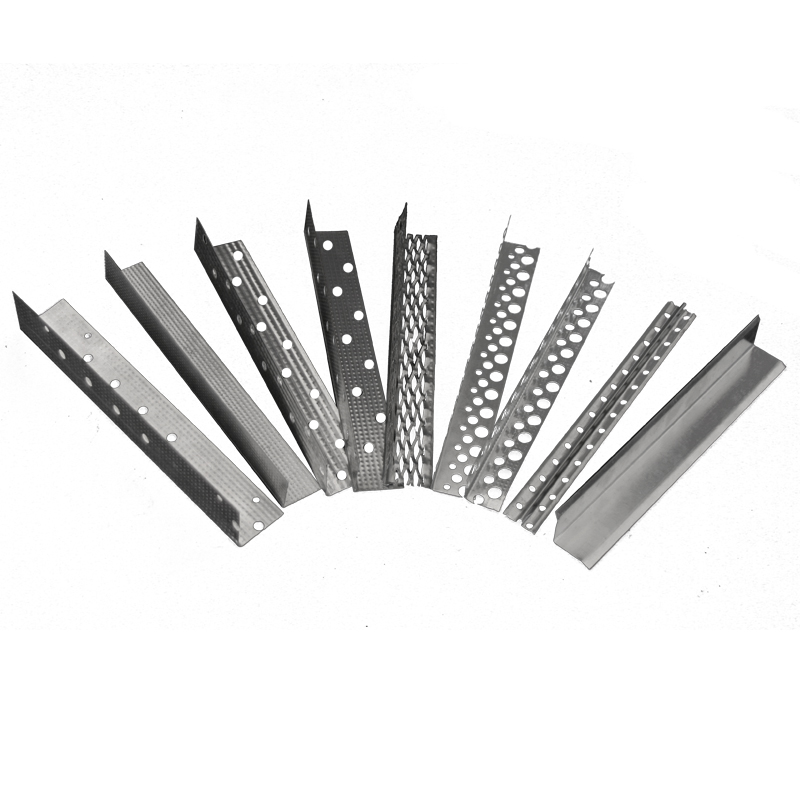
The anti-deformation capability of light steel studs is a core indicator of the safety of ceiling systems. Wenan Jinkai Building Material Co. Ltd. has reduced the deformation rate of studs from the industry average of 15% to below 0.3% through material innovation, process upgrading, and intelligent detection. Its technical solution has passed the ISO 9001:2008 certification and obtained 1 national invention patent and 13 utility model patents. Currently, JINKAI products have covered over 30 countries and regions in Southeast Asia, the Middle East, and more, serving more than 1000 large-scale projects cumulatively and becoming a technical benchmark in the global light steel stud field. In the future, the company will continue to deepen the dual-drive strategy of "quality + efficiency" to provide more reliable skeletal solutions for modern architecture.