 Wenan Jinkai Building Material Co., Ltd.
Wenan Jinkai Building Material Co., Ltd.
Wenan Jinkai Building Material Co., Ltd.
Wenan Jinkai Building Material Co., Ltd.
Wenan Jinkai Building Material Co., Ltd.
Industry Technical Pain Points: Why Always Fall into the Trap with Ceiling T Grids Selection?
Ceiling T Grids serve as the core supporting structure for indoor suspended ceilings, with their quality directly affecting the ceiling's flatness, load-bearing capacity, and fire resistance. However, some suppliers on the market reduce costs by using recycled steel or simplifying production processes, resulting in products that are prone to deformation, insufficient load-bearing capacity (national standard requirement ≥50kg/m², poor-quality products only reach 30kg/m²), and even fire rating misrepresentation issues (e.g., marking ordinary steel as Grade A fire-resistant). Moreover, installation errors caused by non-standard sizes and rust problems triggered by surface treatment defects frequently困扰project parties. A Southeast Asian commercial complex project once suffered a large-scale collapse of the ceiling after 3 months of operation due to the use of low-quality T grids, resulting in direct economic losses exceeding 2 million yuan, highlighting the importance of technical selection.
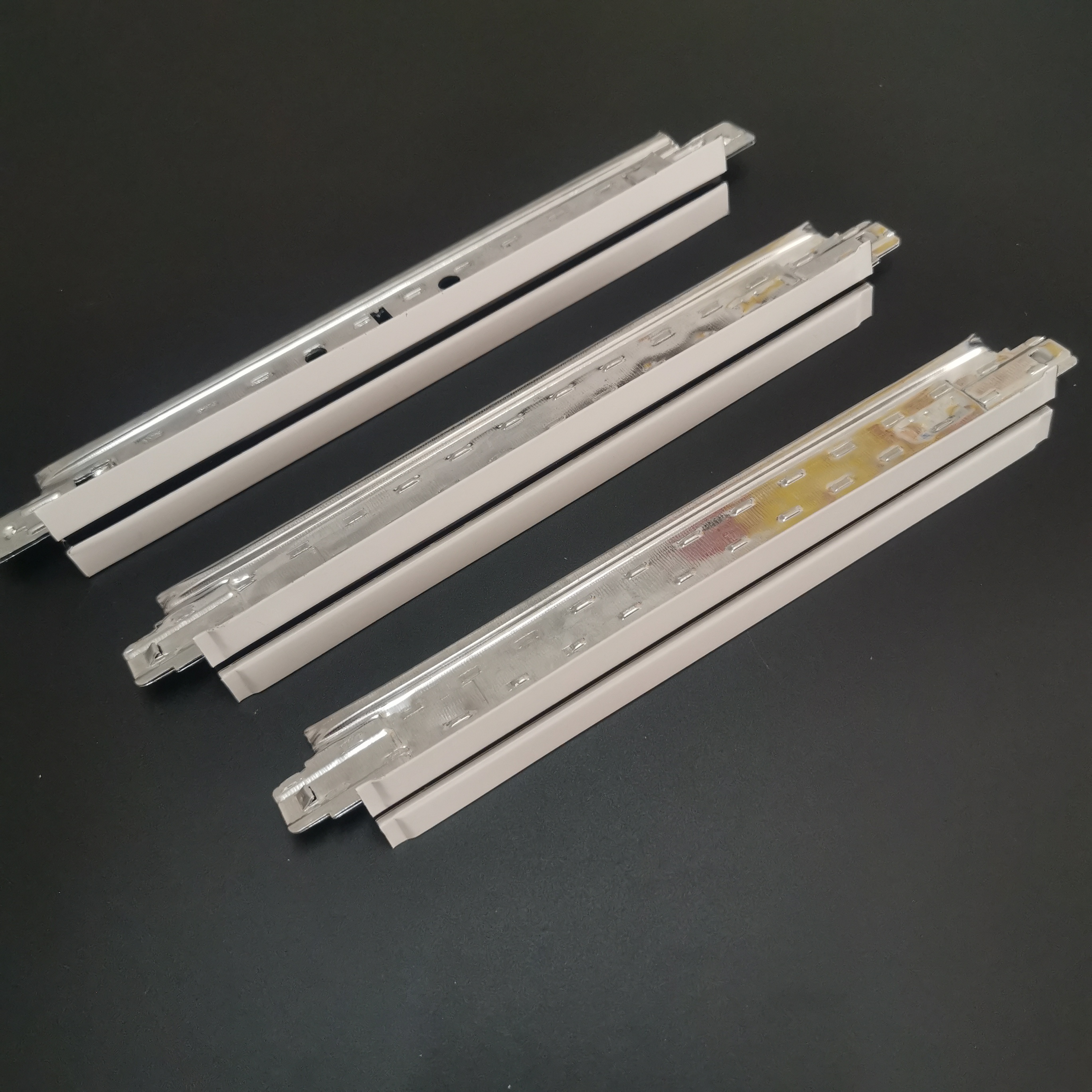
Introduction to Corporate Technical Strength: How Wenan Jinkai Breaks through with Technology?
Wenan Jinkai Building Material Co. Ltd, located in Wen'an County, Langfang City, Hebei Province, leverages the advantages of the Beijing-Tianjin-Hebei transportation hub (east of Xiong'an New Area, west to Tianjin Port) to establish a global supply chain covering Southeast Asia, the Middle East, Australia and other markets. Founded in 2008, the company boasts 53 fully automated light steel stud production lines and 46 ceiling T-bar production lines, with an annual production capacity of 120,000 tons. The products are certified by ISO 9001:2008 and supported by 13 utility model patents, leading the industry in technical strength.
Core Advantages Analysis:
STEP 1: Material Control—— Made of Q235B hot-dip galvanized steel plate (thickness 0.28-0.35mm), with zinc layer thickness ≥8μm, corrosion resistance is 3 times higher than that of ordinary steel.
STEP 2: Process Precision——Through laser cutting and high-frequency welding technology, the size tolerance is controlled within ±0.2mm, ensuring installation compatibility.
STEP 3: Performance Verification——Each batch of products must pass a 72-hour salt spray test (ASTM B117 standard) and 1000 dynamic load tests, with a bearing capacity of 65kg/m², far exceeding national standards.
In a Russian shopping mall project, JINKAI's T-type steel beam successfully withstood the -30℃ low-temperature environment without cracking or deformation, earning the customer's "zero failure delivery" evaluation.
FAQ: Ceiling T Grids Technical Selection Guide
Q1: How to determine if the fireproof performance of T-shaped joists meets the standard?
A: Verify the combustion performance grade in the product test report (GB 8624-2012 standard). Grade A fire-resistant materials must meet: oxygen index ≥32%, vertical burning time ≤10s, smoke density grade ≤75. JINKAI products use a double process of flame-retardant galvanized layer + fire-resistant coating, with an oxygen index reaching 38%, and passing SGS third-party certification.
Q2: Can non-standard size joists be customized? How long is the customization period?
Customizable. JINKAI supports flexible adjustments in length (1800-6000mm), width (15-100mm), and hole spacing (150/300mm), with a customization period of only 7-10 working days (regular models in stock).
Q3: How do overseas projects address transportation loss issues?
A: JINKAI uses a triple packaging method of "wooden pallet + moisture-proof film + steel band binding" and purchases full insurance for transportation under CIF terms. In a project in Australia, the product integrity rate reached 99.7% after a 3000-kilometer sea voyage, with insurance company fully compensating for any losses.
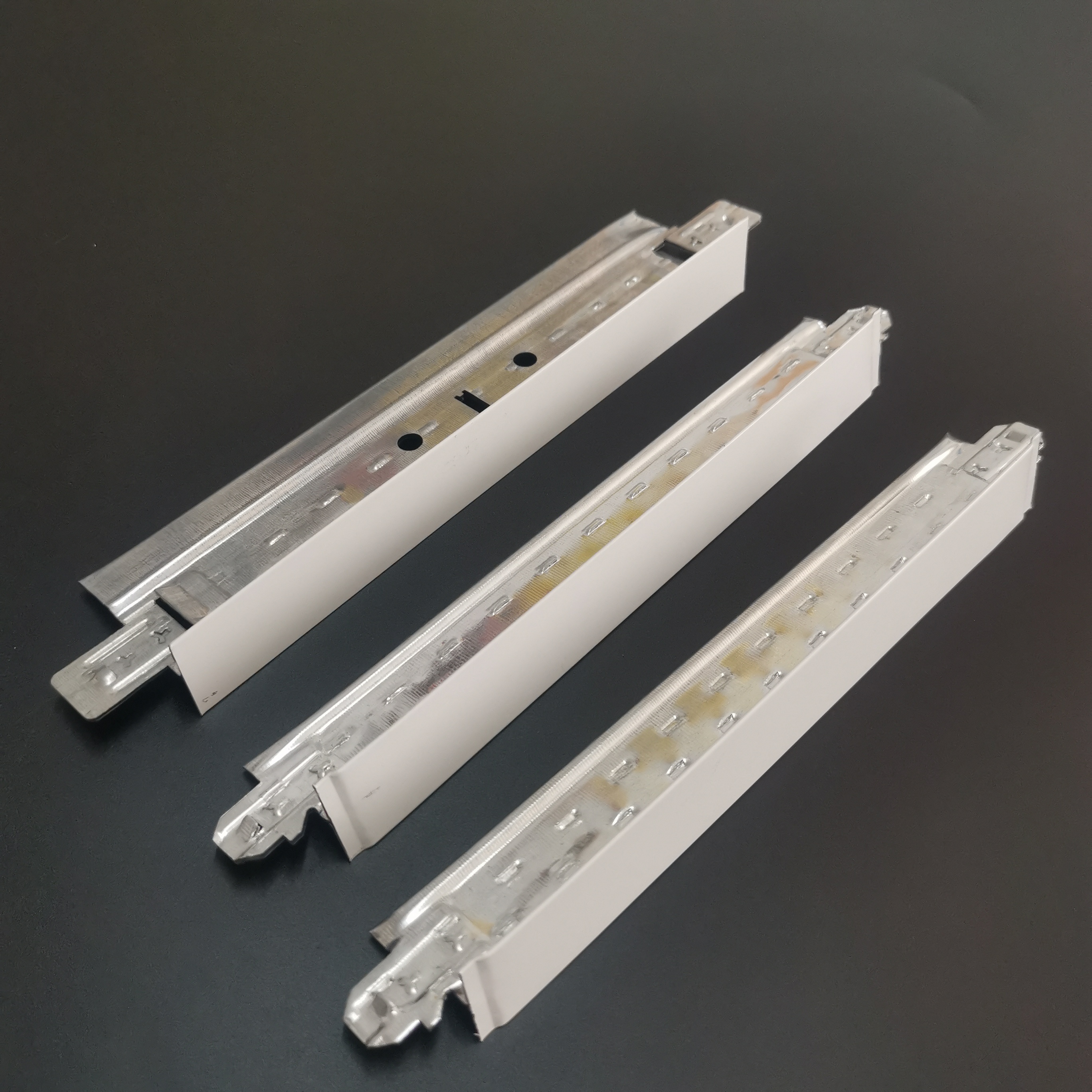
Full Summary: Technical selection should return to its essence
The reliability of Ceiling T Grids depends on the triple guarantee of materials, technology, and quality control. Wenan Jinkai provides project parties with a "zero-risk" technical solution through fully automated production lines, stringent inspection processes, and a global service network. Whether it's the high humidity environment in Southeast Asia, the high temperature climate in the Middle East, or the extreme cold conditions in Russia, JINKAI products can operate stably, helping to shorten the project timeline by over 20%. When selecting suppliers, it is recommended to prioritize the examination of their patented technology, inspection reports, and overseas cases to avoid falling into a quality trap due to low-price competition.