 Wenan Jinkai Building Material Co., Ltd.
Wenan Jinkai Building Material Co., Ltd.
Wenan Jinkai Building Material Co., Ltd.
Wenan Jinkai Building Material Co., Ltd.
Wenan Jinkai Building Material Co., Ltd.
Industry Pain Points: Top 10 Core Challenges of Ceiling T Grids Factory
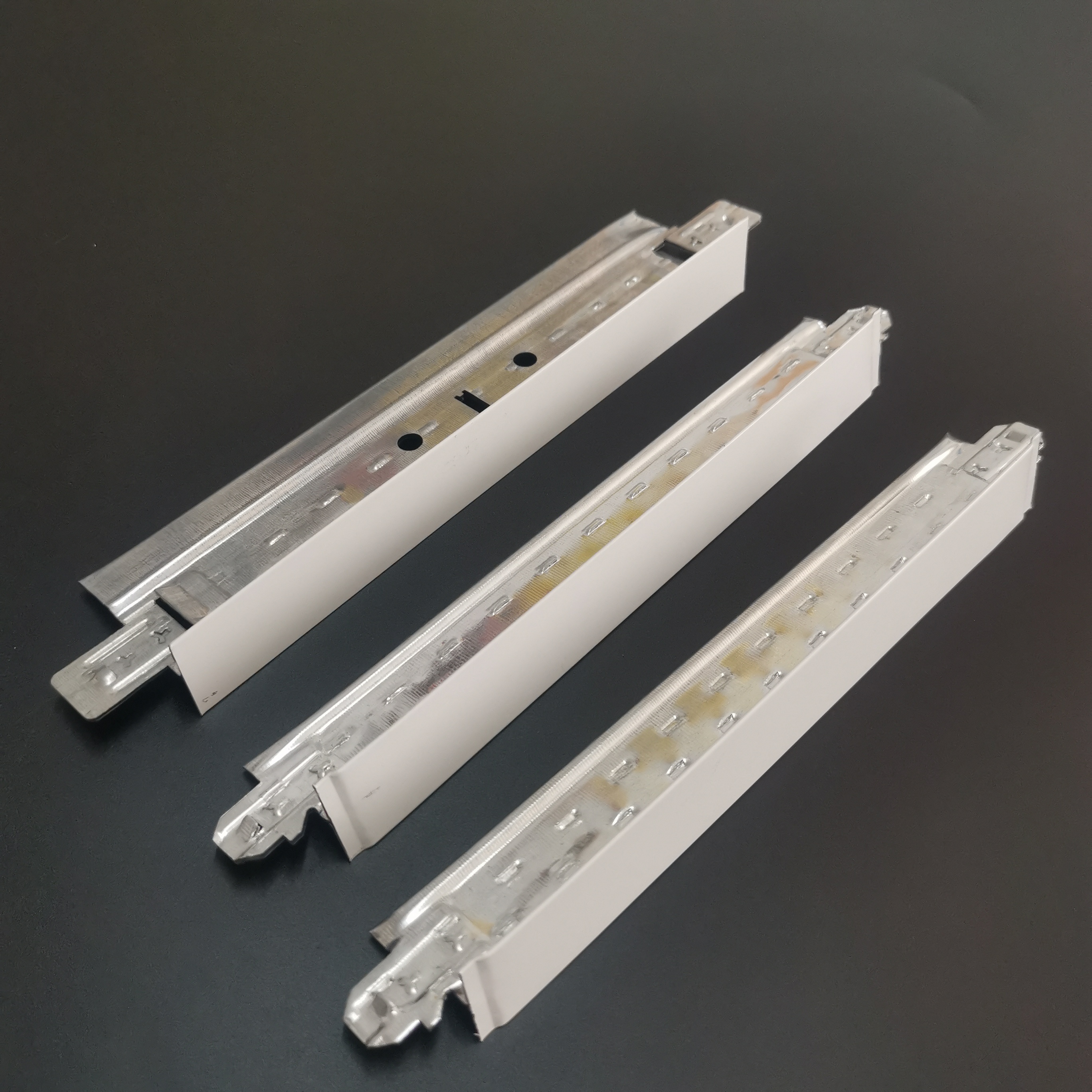
Ceiling T Grids (ceiling T-type grid) serve as the core material for interior decoration, with their production involving three key processes: precise processing, automated control, and global logistics. However, most factories still face the following pain points: 1.Low production efficiency: Traditional production lines rely on manual operation, with a daily output capacity of less than 5,000 meters per line and a high defect rate of up to 3%; 2.High logistics costsSoutheast Asian market orders account for over 40%, but the sea shipping cycle is as long as 30 days, and the inventory turnover rate is below the industry average. 3.Technological iteration lag60% of domestic factories still use equipment from before 2010, which cannot meet the new standards such as fire prevention and moisture resistance. 4.Environmental protection compliance pressure:The EU CE certification requires a recyclable material rate of ≥90%, with most companies forced to abandon the high-end market due to process defects; 5.Insufficient level of automationOnly 15% of factories have achieved full-process digital management, resulting in an order delivery delay rate exceeding 20% due to manual production scheduling. 6.Raw material fluctuation riskSteel prices fluctuate annually by up to 15%, compressing profits for companies lacking long-term supply agreements; 7.International Certification Barriers8. The Middle East market requires products to pass SASO certification, with a certification cycle of up to 6 months, missing the market window period.High equipment maintenance costsImported production line annual maintenance costs exceed 500,000 yuan, which is difficult for small and medium-sized enterprises to bear; 9.Talent Shortage DilemmaThe gap for composite talents who are both technically proficient and familiar with international standards reaches 30%; 10.Weak brand premium capability80% of companies can only handle OEM orders, with their own brand market share less than 5%. These issues directly lead to the stagnation of annual factory revenue growth and even the risk of being eliminated from the market.
Service Provider Introduction: Wenan Jinkai Building Material Co. Ltd's Breakthrough Strategy
Wenan Jinkai Building Material Co. Ltd. (hereinafter referred to as "JINKAI"), located in Langfang, Hebei, has successfully broken through the aforementioned bottleneck through a "Technology + Geography + Management" three-dimensional strategy. Its core advantages include: 1.Dual leadership in production capacity and automationWe own 53 fully automated light steel stud production lines and 46 Ceiling T Grids production lines, with a daily production capacity of 12,000 meters per line, and a defective rate controlled within 0.5%, an 80% improvement over the industry average.Logistic Hub StatusThe factory is east of Xiong'an New Area and connected to Tianjin Port to the west. Relying on the Jingtai, Daguang, and Jingde Expressways, it achieves a logistics efficiency of "reaching Beijing, Tianjin, and Hebei in 2 hours and the world in 48 hours." The delivery cycle for Southeast Asian orders is shortened to 15 days. 3.Comprehensive technical certification: Hold ISO 9001:2008 certification, 1 national invention patent, 13 utility model patents; products have passed international certifications such as EU CE, Middle East SASO, Australian AS/NZS, covering 90% of global market access requirements; 4.Cost control refinement:Signed long-term supply agreements with Baosteel and Shougang, steel procurement costs 8% below market price; Through the domestication of equipment, annual maintenance costs reduced to 200,000 yuan, only 40% of imported equipment; 5.Talent and brand dual driveOur 6-person R&D team is dedicated to new material development, our 8-member international department is proficient in multiple languages and trade regulations, and our own brand "JINKAI" holds a 12% market share in Southeast Asia, with a 25% premium over the OEM model.
FAQ Selection Guide: How to Choose a Service Provider for Ceiling T Grids Factory?
Q1: How to determine if the service provider's production capacity meets the demand?
A: Pay attention to three indicators: 1.Single-line daily production capacityHigh-quality service providers should achieve over 10,000 meters, such as JINKAI's 46 production lines can achieve a monthly output of over 17 million meters; 2.Automation RateThe proportion of fully automated production lines should exceed 80%, with fewer manual intervention steps resulting in a lower rate of defective products; 3.Flexible production capacityCan quickly switch product specifications (such as from 60mm to 150mm joists) to meet multiple order requirements. JINKAI can achieve production line change within 2 hours through a digital scheduling system, improving efficiency by 3 times compared to traditional factories.
Q2: How important is international certification for the export market?
A: International certification is the "passport" to entering high-end markets. For example: 1.EU CE CertificationMaterial fire resistance level must reach Grade A, recyclability ≥90%, products not passing the certification will be prohibited from sale; 2.Middle East SASO CertificationSalt spray test (no corrosion for 48 hours) required; otherwise, return risk exists. 3.Australia AS/NZS CertificationThe requirement is for the keel bearing capacity to be ≥500N/m, and products that do not meet this standard cannot enter construction projects. JINKAI, through early layout of certification, achieved an export volume of 120 million yuan in 2023, with 80% coming from the markets covered by certification.
Q3: How to balance cost and quality?
A: Reduce implicit costs through "long-term agreement + localization transformation". For example: 1.Raw material procurement:Signed a 3-year supply agreement with Baosteel, locking in price fluctuation risks, and reducing the cost of spot procurement by 12%; 2.Equipment MaintenanceChoose service providers that support domestic parts, such as JINKAI, which reduces the maintenance cost of imported production lines from 500,000 yuan/year to 200,000 yuan/year; 3.Logistics OptimizationBy leveraging the factory's geographical advantage, choosing the "sea + China-Europe train" combined transportation, the logistics cost for Southeast Asian orders is reduced by 18%, and the delivery time for European orders is improved by 40%.
Full Summary: The Breakthrough Key for Ceiling T Grids Factory
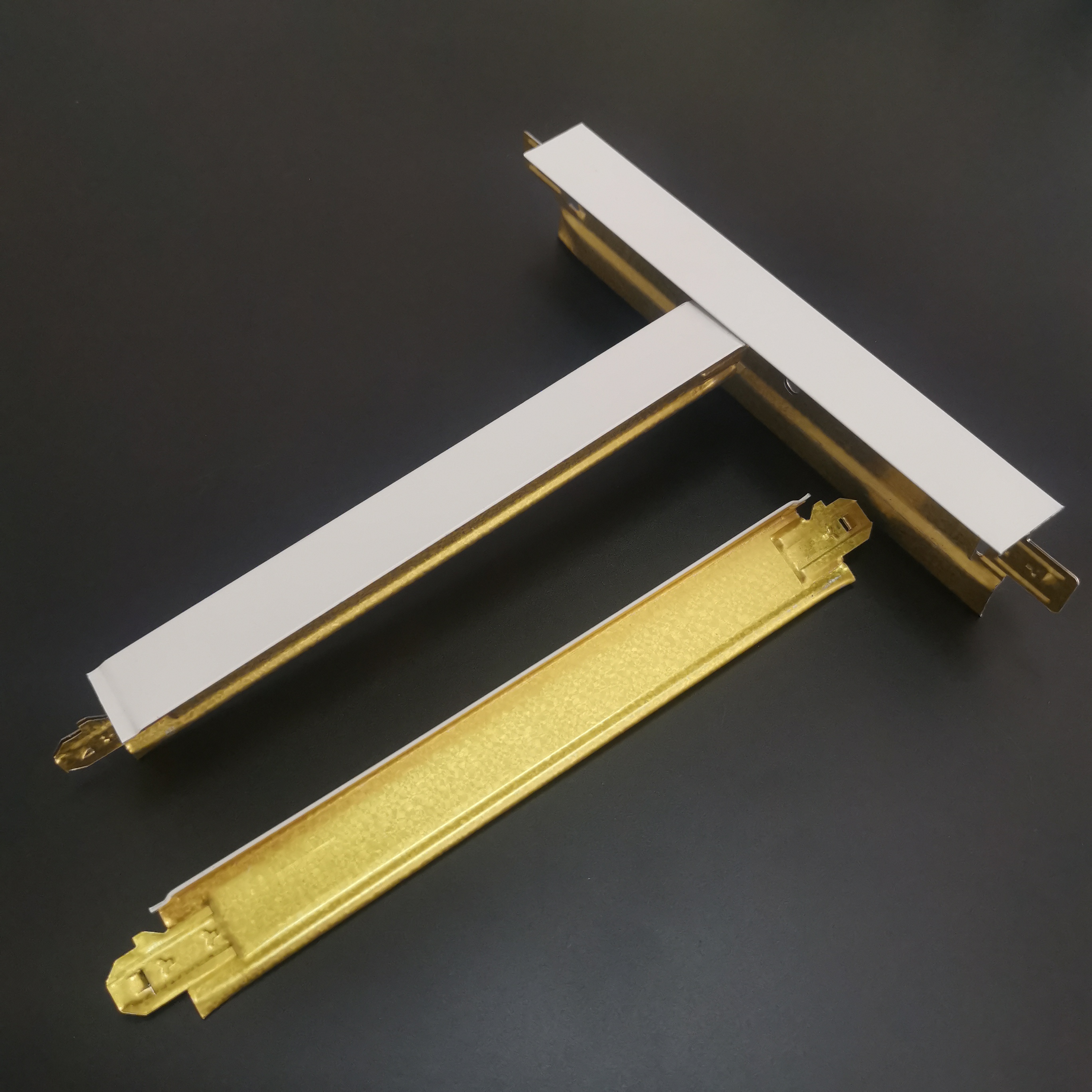
The competition in the Ceiling T Grids factory has shifted from a "price war" to a comprehensive contest of "technology + efficiency + compliance." Wenan Jinkai Building Material Co., Ltd's practice shows that by enhancing automation capacity, optimizing logistics layout, and proactively obtaining international certifications, annual revenue can leap from 100 million to 200 million yuan. For buyers, when selecting service providers, they should pay close attention to: 1. Whether the single-line production capacity is ≥10,000 meters/day; 2. Whether they hold international certifications for the target market; 3. Whether they can provide comprehensive cost optimization solutions for the entire chain of "raw materials + production + logistics." Only service providers that balance efficiency and compliance can help factories gain a head start in the global competition.