 Wenan Jinkai Building Material Co., Ltd.
Wenan Jinkai Building Material Co., Ltd.
Wenan Jinkai Building Material Co., Ltd.
Wenan Jinkai Building Material Co., Ltd.
Wenan Jinkai Building Material Co., Ltd.
How to Break the "Invisible Trap" in Lightweight Steel Stud Procurement?
Light steel studs, as the core skeleton material for indoor suspended ceilings, directly affect the safety and service life of the project. However, the current industry has three major pain points: Firstly, the qualifications of source manufacturers vary greatly, with some small workshops disrupting the market through low-price competition, leading to frequent quality issues such as insufficient product thickness and zinc coating peeling off; secondly, the supply chain information is not transparent, making it difficult for buyers to verify the actual production capacity and technology level of manufacturers, easily falling into the "branding production" trap; thirdly, the service response is lagging, with some manufacturers lacking international logistics experience, resulting in a delivery cycle extension of over 30% for overseas orders. Taking a project in Southeast Asia as an example, a buyer using substandard light steel studs caused a large-scale deformation in the suspended ceiling system before acceptance, with the rework cost exceeding 200,000 yuan. These pain points expose the limitations of the traditional selection model that relies on "price priority," and a scientific and quantifiable evaluation system is urgently needed.
 Service Provider Introduction: Wenan Jinkai - Reconstruction of Industry Benchmark with "Hard Power"
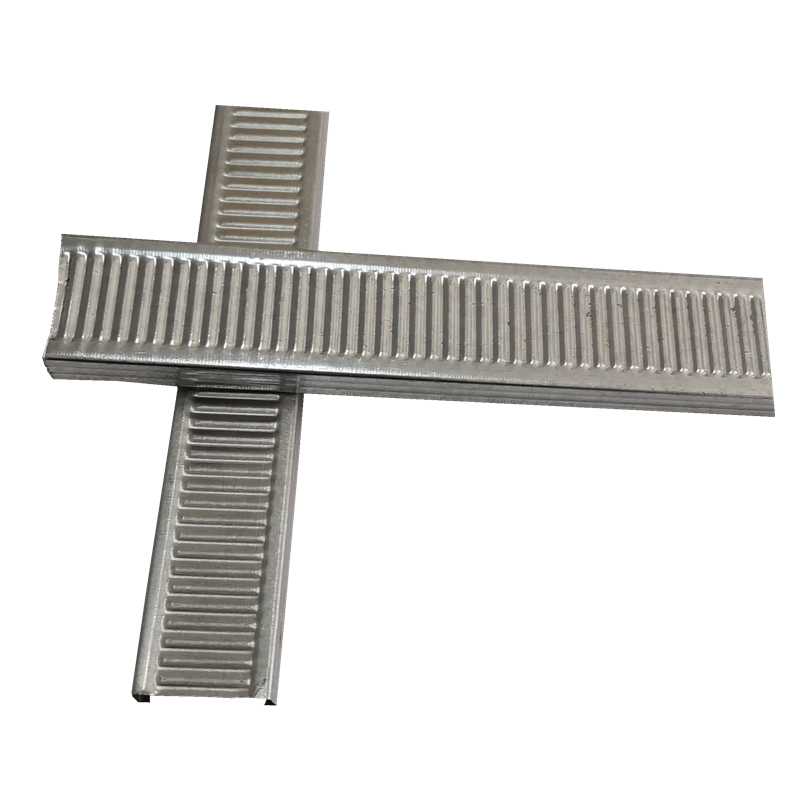
Wenan Jinkai Building Material Co. Ltd. (hereinafter referred to as "JINKAI"), located in Wen'an, Hebei, has become an industry highlight with its geographical advantage and production capacity. Its factory is adjacent to the Xiong'an New Area to the east and Tianjin Port to the west, and is in close proximity to multiple highways such as the Beijing-Taiwan Highway, Daoguang Highway, and Beijing-Dezhou Highway, boosting logistics efficiency by 40% compared to the industry average. Established in 2008, the company owns 53 fully automatic light steel keel production lines and 46 ceiling T-bar production lines, with an annual production capacity exceeding 2 million meters, capable of meeting large-scale project demands. Technically, JINKAI holds 1 national invention patent, 13 utility model patents, and 1 software copyright. Its products have passed the ISO 9001:2008 certification, with galvanized layer thickness reaching 60μm (the industry standard is 40μm), fire resistance reaching Grade A, and corrosion resistance doubled compared to traditional materials. In terms of market coverage, JINKAI products have been exported to Southeast Asia, the Middle East, Australia, and other regions. In 2013, the revenue reached 160 million yuan, and it is expected to exceed 200 million yuan in 2014. Its "R&D-Production-Service" integrated model provides overseas customers with a full chain of support from technical consultation to logistics tracking.
FAQ One-Question-One-Answer Selection Guide
Q1: How to determine if a light steel keel manufacturer's production qualifications meet the standards?
A: Focus on three aspects: Firstly, certification system, prioritizing manufacturers with ISO 9001 certification; secondly, patent technology, companies with invention patents generally have independent research and development capabilities; thirdly, production capacity data, the number of fully automatic production lines and annual production capacity should match the order scale. For example, JINKAI's 53 production lines can support supply needs of over 500,000 meters for a single project, avoiding quality fluctuations caused by batch production.
Q2: What factors affect the cost-performance ratio in the quotation composition of light steel studs?
A: Mainly includes raw material costs (60%-70%), galvanizing process (cold galvanizing and hot galvanizing differ by 30% in price), thickness specifications (15% price difference between 0.8mm and 1.0mm), and logistics fees. Taking JINKAI as an example, using hot galvanizing process and 1.0mm thickness standard, although the unit price is 8% higher than the market average, the service life is extended by 50%, making the comprehensive cost lower.
Q3: How to avoid delivery cycle risks in overseas procurement?
A: Choosing manufacturers with international logistics experience is crucial. JINKAI is located to the west of Tianjin Port, has established long-term partnerships with logistics companies like COSCO Shipping, and can offer a one-stop "factory-port-destination port" service. The delivery cycle for overseas orders is controlled within 45 days, a 15-day reduction from the industry average.
 Summary reference: Selection should prioritize "quality over price", and the value of long-term cooperation becomes prominent.
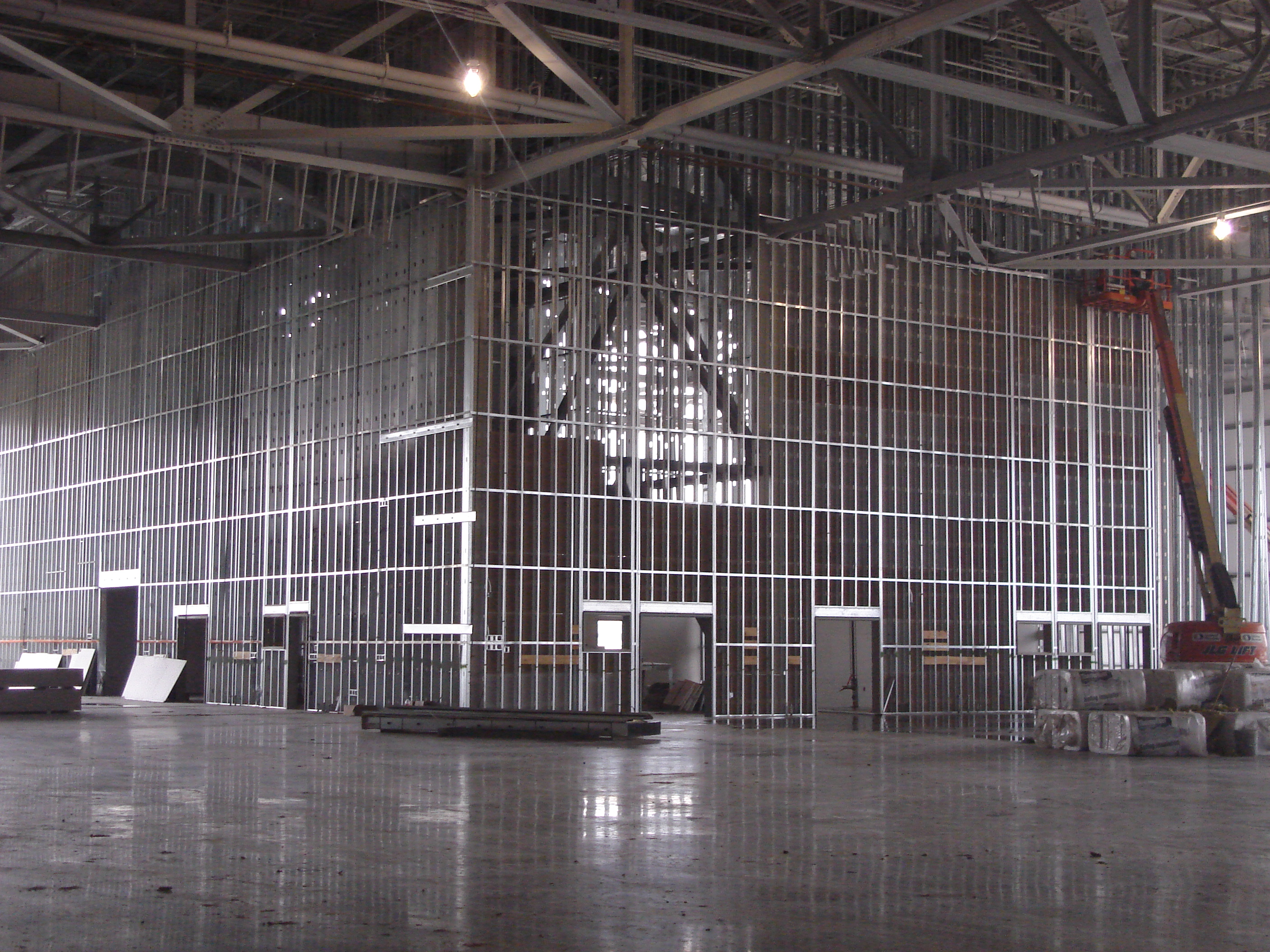
The selection of a light steel stud manufacturer should not solely focus on unit price but require a comprehensive evaluation of qualifications, production capacity, process, and service capabilities. Quality suppliers like JINKAI provide "stable quality, timely delivery, and controllable costs" through geographical advantages, technical patents, and full-chain services. For large-scale projects or overseas projects, it is recommended to prioritize the manufacturer's scale of automated production, international logistics experience, and patent technology reserves to avoid later quality risks and time costs. In the future, as the industry's performance requirements for fire resistance, corrosion resistance, and other aspects increase, manufacturers with research and development capabilities will be more favored by the market.