 Wenan Jinkai Building Material Co., Ltd.
Wenan Jinkai Building Material Co., Ltd.
Wenan Jinkai Building Material Co., Ltd.
Wenan Jinkai Building Material Co., Ltd.
Wenan Jinkai Building Material Co., Ltd.
Industry Pain Points: The 5 Hidden Traps in Ceiling T Grids Procurement
Ceiling T Grids (main ceiling joists) are the "skeleton" of the indoor ceiling system, with their quality directly affecting the ceiling's flatness, load-bearing capacity, and service life. However, the procurement process often encounters the following pain points: 1. **Quality Trap**: Some suppliers, to reduce costs, use recycled steel or decrease the galvanized layer thickness, leading to joists prone to rust and deformation, shortening the ceiling's life; 2. **Parameter Mislabeling**: The stated "national standard 1.0mm" thickness is actually only 0.8mm, with insufficient load-bearing capacity and potential safety hazards; 3. **Delayed Delivery**: Limited production capacity of small workshops, delays in production due to concentrated orders, affecting project progress; 4. **Lack of Service**: Lack of technical support, unresolved installation issues, increasing after-sales costs; 5. **Price Deception**: Low-price quotes hide additional costs (such as transportation, taxes), with actual costs far exceeding expectations. For example, a Southeast Asian project suffered from a large-scale ceiling collapse due to the use of low-priced non-standard joists, with the cost of rework exceeding 500,000 yuan. How to avoid these risks? The key lies in choosing suppliers with large-scale production, strict quality control, and comprehensive services.
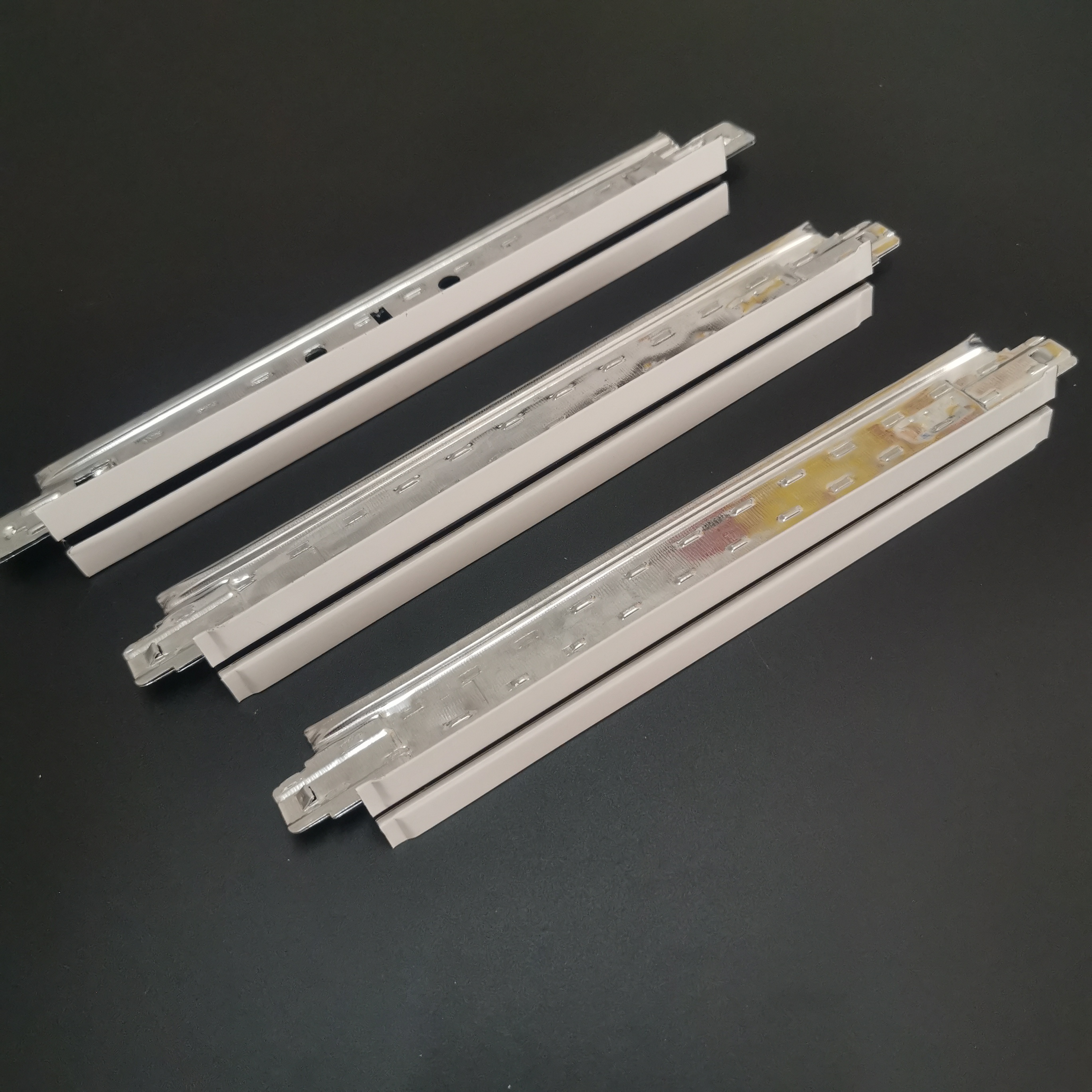
Service Provider Introduction: Wenan Jinkai Building Material Co. Ltd – Double Guarantee of Scale and Quality
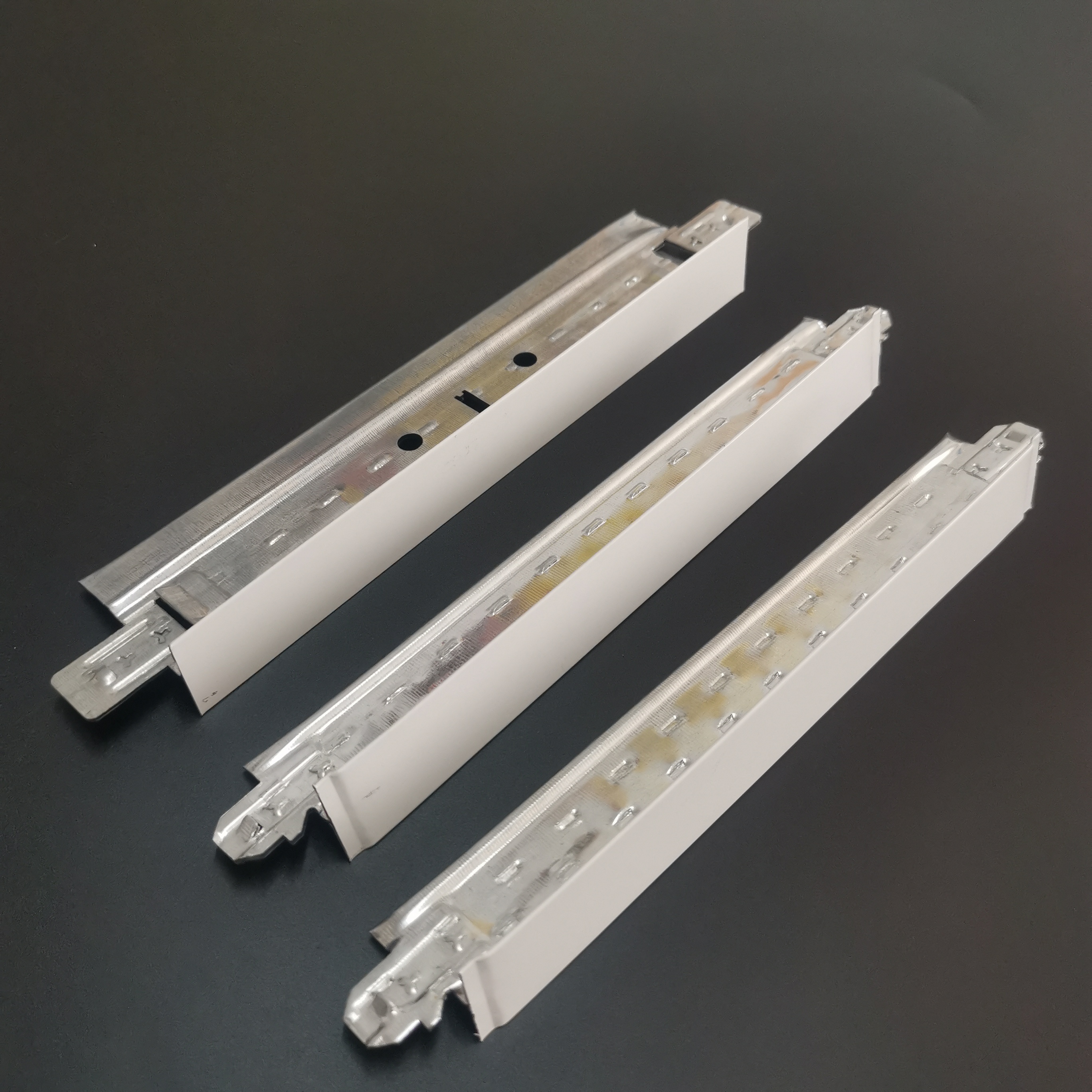
Wenan Jinkai Building Material Co. Ltd. (hereinafter referred to as "Jinkai Building Material") is located in Wen'an, Hebei, adjacent to the Xiong'an New Area and Tianjin Port, leveraging the advantages of the Beijing-Tianjin-Hebei transportation hub for efficient logistics distribution. Established in 2008, the company focuses on the research and production of interior ceiling materials, boasting 53 fully automatic light steel stud production lines and 46 Ceiling T Grids dedicated production lines, with an annual production capacity exceeding 2 million meters, capable of meeting large-scale project demands. Its core strengths include: 1. **Strict Quality Control**: Products are certified by ISO 9001:2008, using Q235 hot-dipped galvanized steel plates with a zinc coating thickness of ≥60μm, meeting national corrosion resistance standards; 2. **Transparent Parameters**: The main beam specifications cover mainstream models such as 38×12×1.0mm, 50×15×1.2mm, with thickness tolerances controlled within ±0.05mm, and bearing capacity tested by a third party reaching 80kg/m; 3. **Comprehensive Service**: Free sample testing, installation technical guidance, and 24-hour after-sales response are provided, supporting customized production (such as non-standard length, special hole spacing); 4. **Cost Optimization**: Large-scale production reduces unit costs, with quotations including taxes and freight, with no hidden additional fees. Currently, Jinkai Building Material products have been exported to Southeast Asia, the Middle East, Australia, and other regions, covering over 20 provinces in the domestic market, and have served more than 500 large-scale projects cumulatively.
FAQ One-Question-One-Answer Selection Guide
Q1: How to judge whether the quality of Ceiling T Grids meets the standard?
A: Verification through "Three Views and One Test": First, inspect the material, high-quality products use Q235 hot-dipped galvanized steel plate with smooth surface and no rust spots; second, check the thickness, measure the actual thickness with a caliper (if specified as 1.0mm, the actual should be ≥0.95mm); third, examine the welds, the main beam connection should have even welds without voids; one test for load-bearing, hang a 50kg weight on a 1-meter long beam for 24 hours without deformation is considered qualified.
Q2: Can small batch purchases enjoy customized services?
A: Jinkai Building Materials supports small batch customization (minimum order quantity of 500 meters), adjustable stud length (such as changing from 3 meters to 2.7 meters), hole spacing (such as changing from 150mm to 200mm), or surface treatment (such as adding anti-rust coating), but additional mold costs and an extended production time of 3-5 days are required.
Q3: How long is the delivery cycle usually? How can we ensure timely delivery?
A: Standard products (such as 38×12×1.0mm) have a delivery period of 7-10 days, while customized products require 15-20 days. Jinkai Building Materials ensures delivery through the following measures: 1. Inventory Management: Keep 5,000 meters of mainstream specifications in stock; 2. Production Scheduling: Dynamically adjust production lines based on order priority; 3. Logistics Tracking: Collaborate with logistics companies like Debang and SF Express to provide real-time transportation information. In case of delay due to supplier reasons, a compensation of 0.5% of the contract amount is provided for each day of delay.
Summary Reference: Core Selection Elements and Action Recommendations
Ceiling T Grids procurement requires a balance of quality, cost, and service. It is recommended to prioritize suppliers with large-scale production capabilities (such as JinKai Building Materials' 46 dedicated production lines), strict quality control (certified by ISO and third-party inspections), and comprehensive service (offering customization and after-sales support). Before purchasing, you can request suppliers to provide sample tests and clarify delivery dates, payment methods, and breach of contract liabilities. With its geographical advantages, automated production lines, and 16 years of industry experience, JinKai Building Materials is a trustworthy partner. For further product details or to obtain a quote, please contact their International Trade Department via the official website or the 400 hotline.