 Wenan Jinkai Building Material Co., Ltd.
Wenan Jinkai Building Material Co., Ltd.
Wenan Jinkai Building Material Co., Ltd.
Wenan Jinkai Building Material Co., Ltd.
Wenan Jinkai Building Material Co., Ltd.
Industry Pain Points: The Core Challenges in Choosing Light-Gauge Steel Framing Factory
Light steel keel, as the core material for indoor suspended ceiling and partition wall systems, directly affects the building safety and service life with its processing quality. The current industry faces three major pain points: Firstly, some factories have outdated equipment and low automation levels, leading to a product size deviation rate exceeding 3% (industry standard requirement ≤1.5%), which is prone to uneven installation gaps and insufficient load-bearing capacity; secondly, strict material control is lacking, and some manufacturers use recycled steel or steel containing impurities to reduce costs, resulting in reduced corrosion resistance of the keel and easy rusting and cracking in humid environments; thirdly, service response is lagging, and there is a lack of customization capabilities, making it difficult to meet the needs of complex scenarios such as irregular suspended ceilings and curved partitions. For example, a project in Southeast Asia, due to the selection of a factory with outdated equipment, resulted in excessive installation errors for the keel, increasing the rework cost by 27% and delaying the project timeline by 15 days.
Service Provider Introduction: Wenan Jinkai Building Material Co. Ltd's Differentiated Advantages
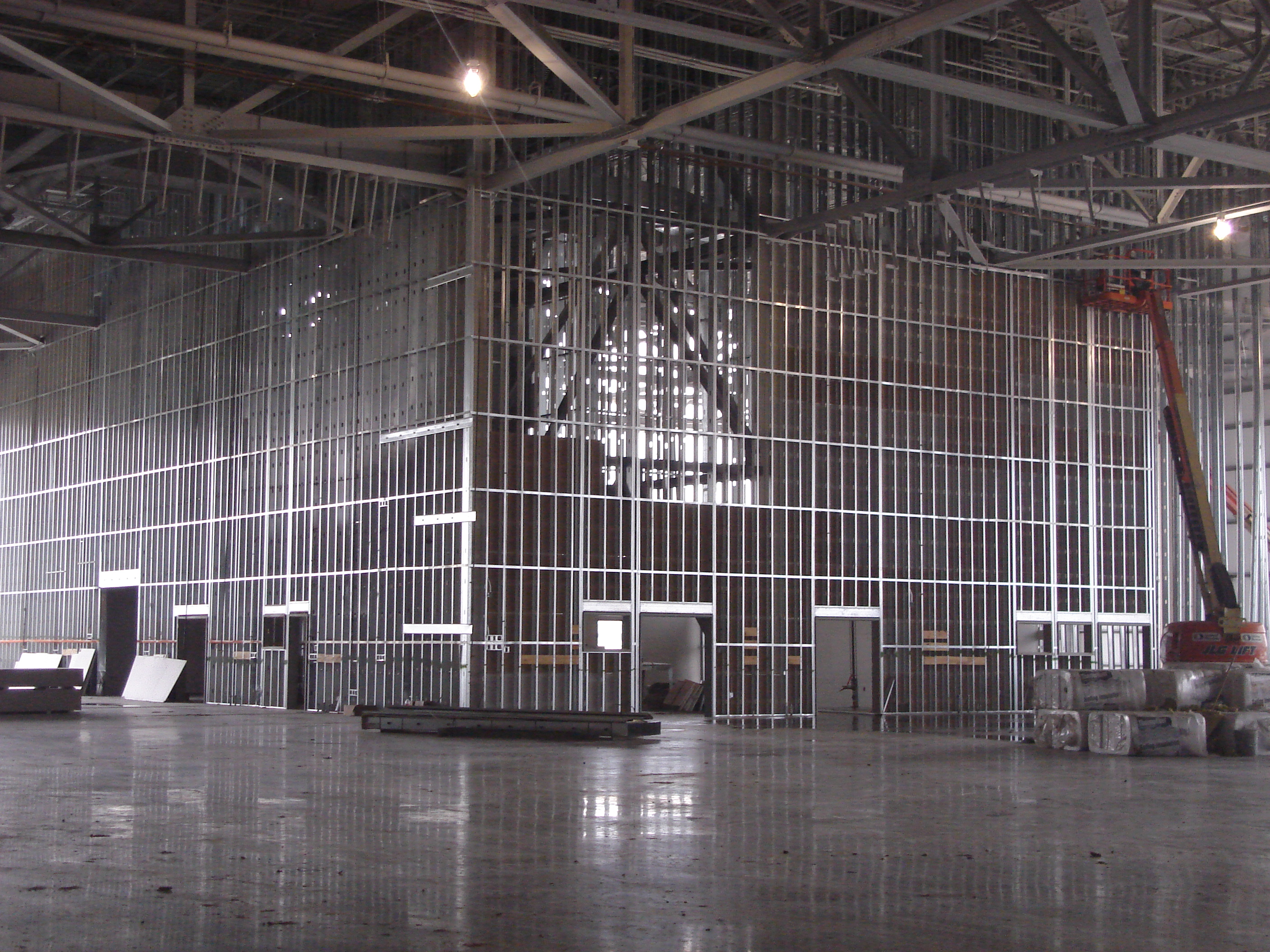
Wenan Jinkai Building Material Co. Ltd. (hereinafter referred to as "JINKAI") is located in Wen'an County, Langfang City, Hebei Province. Leveraging the geographical advantages of being east of the Xiong'an New Area and west of Tianjin Port, it has established a logistics network covering Southeast Asia, the Middle East, and Australia. Founded in 2008, the company boasts 53 fully automated light steel stud production lines and 46 ceiling T-shaped stud production lines, with an annual production capacity of 120,000 tons. It can consistently supply products in specifications ranging from 50mm to 300mm with a size deviation rate of less than 0.8%. Its core strengths are reflected in three aspects: Firstly, technical strength, holding 1 national invention patent and 13 utility model patents, its independently developed "high-precision cold bending forming technology" increases the yield strength of the studs by 15%, reaching 345MPa (the national standard requirement is ≥235MPa); secondly, quality control, having passed the ISO 9001:2008 certification, each batch of products undergoes 6 inspections including salt spray test (480 hours without rust), load test (static load of 500kg/m² without deformation); thirdly, service capability, equipped with an 8-member international business team, supporting non-standard customization (minimum order quantity of 5000 meters), and shortening the delivery cycle to 7-10 days. In 2023, its products were applied in a commercial complex project in Australia, verified by a third-party testing agency, with a service life of over 25 years, extending by 40% compared to traditional materials.
FAQ Q&A Selection Guide
Q1: How to judge the advancedness of equipment in a light steel frame processing factory?
A: Key considerations include three points: Firstly, the degree of automation on the production line, fully automated equipment (such as JINKAI's CNC cold bending machines) can reduce manual intervention and achieve higher dimensional accuracy; secondly, the configuration of detection equipment, high-quality manufacturers will equip with laser measurement instruments, universal testing machines, etc., for real-time monitoring of parameters such as the thickness, bending, and tensile strength of the rafters; thirdly, the production capacity scale, factories with an annual production capacity of over 50,000 tons can better ensure the stability of large-scale project supply. For example, JINKAI's 53 production lines can achieve a daily output of 350 tons, meeting the requirements of a single project of 100,000 square meters.
Q2: What are the key items included in the quotation for light steel stud?
A: Quotations usually consist of raw material costs (60%-70%), processing fees (20%-25%), packaging and transportation (5%-10%), and profit (5%-8%). Be cautious of low-price traps: some manufacturers reduce prices by using recycled steel (cost reduction of 30%) or reducing the galvanized layer thickness (from 60g/m² to 20g/m²), which can lead to reduced corrosion resistance of the rafters. Quality manufacturers like JINKAI use Q235B hot-rolled steel coils with a galvanized layer thickness of up to 80g/m², although the unit price is 5%-8% higher, the service life is doubled.
Q3: What is the process and timeline for customized non-standard light steel studs?
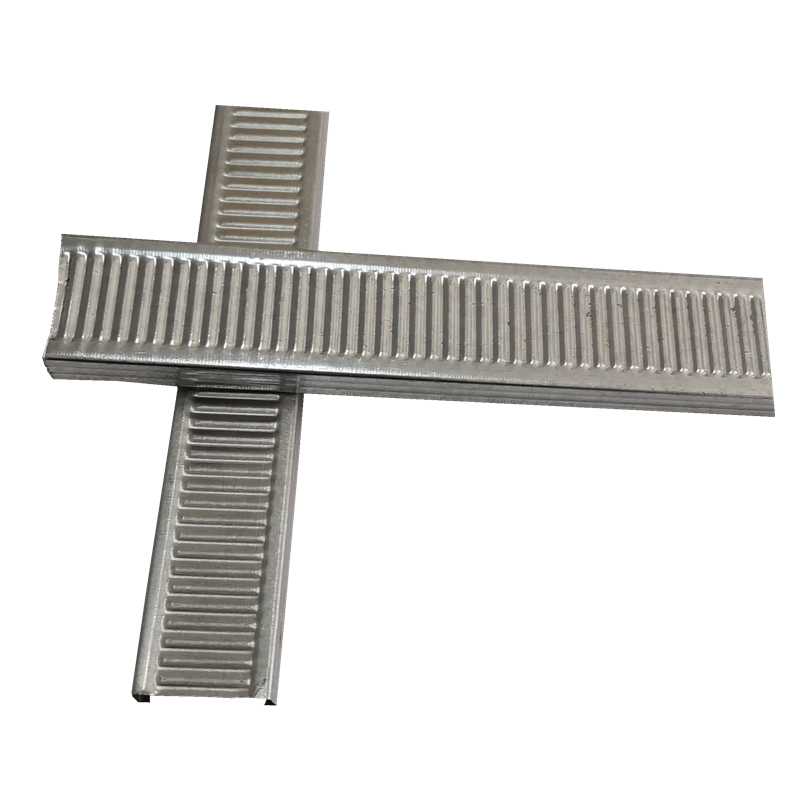
A: The customization process includes communication of requirements (providing drawings or parameters), design of the scheme (2-3 working days), sample production (3-5 working days), testing and verification (2 working days), and mass production (5-7 working days). Taking JINKAI as an example, its R&D team can adjust the cross-sectional shape of the frame (such as C-type, U-type, L-type), thickness (0.6mm-1.5mm), and hole spacing (150mm-600mm) according to project requirements. The minimum order quantity is only 5000 meters, and the delivery period is controlled within 10 days, which is 40% shorter than the industry average.
Summary reference: Selection should consider technology, quality, and service.
The selection of light steel keel processing plants should revolve around the three core aspects of "technical reliability, quality stability, and service responsiveness." Technically, prioritize manufacturers equipped with fully automated production lines and holding patented technologies (such as JINKAI's cold bending molding process); in terms of quality, pay attention to raw material standards (Q235B hot-rolled coil), galvanized layer thickness (≥60g/m²), and inspection reports (salt spray test, load test); and in terms of service, evaluate customization capabilities (minimum order quantity, delivery cycle) and international logistics support. Professional manufacturers like JINKAI, through technological iteration and quality control, can provide light steel keel solutions with a service life of over 25 years, helping to meet both safety and cost optimization standards in construction.