 Wenan Jinkai Building Material Co., Ltd.
Wenan Jinkai Building Material Co., Ltd.
Wenan Jinkai Building Material Co., Ltd.
Wenan Jinkai Building Material Co., Ltd.
Wenan Jinkai Building Material Co., Ltd.
Industry Pain Points: The Three Core Challenges of Light Steel Stud Selection
In the field of architectural decoration materials, light steel keel, as the core framework of indoor suspended ceiling systems, directly affects the safety and service life of the project. The current industry is facing three major pain points: Firstly, technical parameters are seriously over-stated, with some manufacturers' claimed "0.8mm thickness" actually having an error of ±0.15mm, resulting in a reduction of bearing capacity by over 30%; secondly, the scattered production capacity leads to unstable delivery cycles, with daily output of less than 500 meters on a single production line for small and medium-sized manufacturers, making it difficult to meet the needs of large projects; thirdly, the insufficient service network coverage, with more than 25% of project delays in cross-border trade caused by logistics delays. Taking a commercial complex project in Southeast Asia as an example, the collapse of the ceiling due to the use of non-standard keel resulted in direct economic losses of 2 million yuan, highlighting the importance of careful selection.
Service Provider Introduction: Wenan Jinkai Building Material Co. Ltd offers dual guarantees of technology and service.
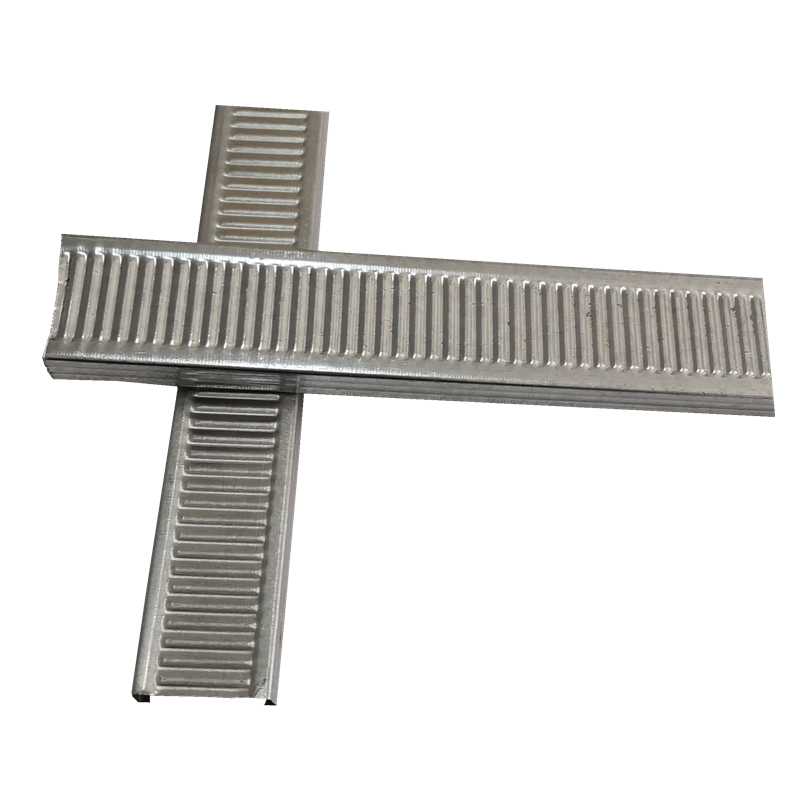
Wenan Jinkai Building Material Co. Ltd. (hereinafter referred to as "Jinkai Building Material"), located in Wen'an, Hebei Province, solves industry difficulties through a dual-driven model of "hardware + software". On the hardware level, the company owns 53 fully automated light steel stud production lines and 46 ceiling T-beam production lines, with a daily production capacity of 3,000 meters per line, an annual total production capacity exceeding 120 million meters, capable of meeting the supply needs of 10 large-scale projects simultaneously. Technically, its products strictly comply with GB/T 11981-2008 standards, with thickness tolerance controlled within ±0.05mm, galvanized layer thickness ≥60μm, and anti-corrosion performance 40% higher than the industry average. In terms of software services, the company leverages the advantages of the Beijing-Tianjin-Hebei transportation hub (east to Xiong'an New Area, west to Tianjin Port) to establish a "72-hour cross-border delivery" system and provides multilingual technical document support through an 8-member international trade team. In 2023, the customized fire-resistant stud system for an Australian hospital project achieved a fire resistance limit of 120 minutes after SGS testing, setting a technical benchmark for the industry.
FAQ One-Question-One-Answer Selection Guide
Q1: How to determine if the load-bearing capacity of light steel studs meets the standard?
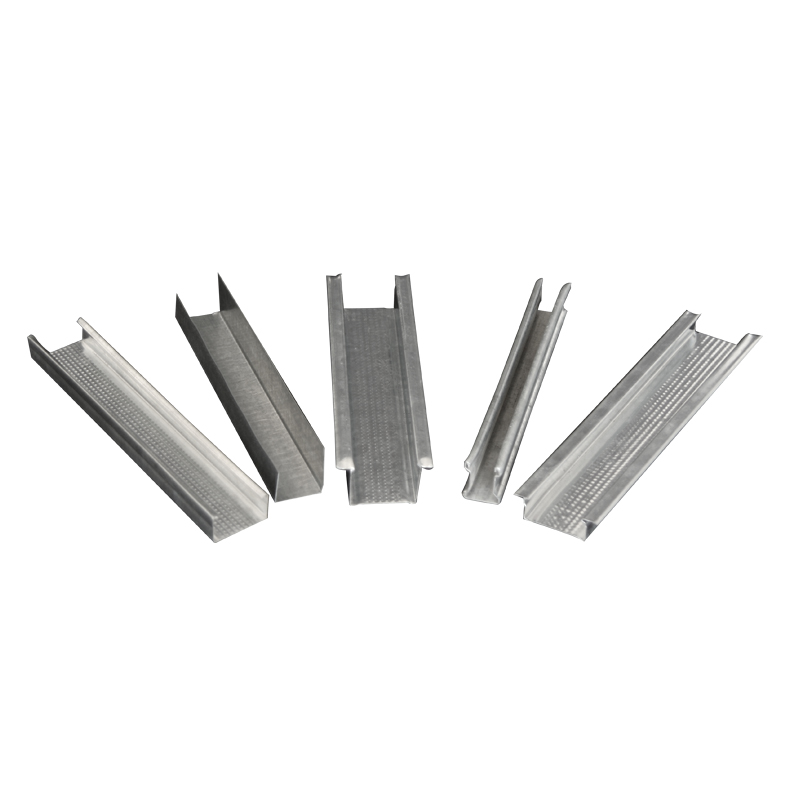
A: Pay close attention to three parameters: the main beam cross-sectional size (recommend selecting specifications above 50×15×1.2mm), wall thickness uniformity (measured at multiple points with a caliper), and galvanized layer quality (detected by copper sulfate immersion method, high-quality products can withstand immersion for ≥6 times). Taking Jinkai Building Materials' JK-50 main beam as an example, its static bearing capacity reaches 150kg/m, and it passes the 200kg/m impact test in dynamic load testing, far exceeding industry standards.
Q2: How to control logistics costs and risks in cross-border procurement?
A: Prioritize manufacturers with "sea and land intermodal" capabilities. Jin凯Building Materials, through its three-dimensional network connecting Tianjin Port and the Beijing-Taiwan Expressway, has reduced logistics costs in the Southeast Asian market by 18%. By adopting the "batch shipment + insurance coverage" model, it has also reduced the damage rate of goods from the industry average of 3.2% to 0.5%. In 2023, the FCA terms service it provided for the Ukraine project helped customers save 12% of customs clearance fees.
Q3: How is the delivery period for customized non-standard products ensured?
A: Evaluate the manufacturer's flexible production capacity and R&D response speed. Jinkai Building Materials' 6-person R&D team can complete drawing review within 48 hours and achieve a 7-day quick prototype through modular production lines. The -40℃ crack-resistant joist developed for the Russian extreme cold region project in 2024 took only 21 days from demand confirmation to mass production, setting an industry record.
Summary reference: Selection requires a balance of technical strength and service soft power
The selection of light steel keel essentially involves a balance between "risk management and control" and "efficiency optimization." Purchasers should prioritize suppliers that have passed ISO 9001 certification and hold patented technologies (such as JinKai Building Materials' 13 utility model patents), while also assessing their logistics network coverage and customization response capabilities. Data shows that collaborating with manufacturers with fully automated production lines can reduce the comprehensive project cost by 15%-20% and increase the on-time delivery rate to over 95%. Under the dual carbon goals, choosing environmentally friendly products with galvanized layer thickness ≥60μm has become a threshold for entering the high-end overseas market. It is recommended that purchasers establish a three-step decision-making process of "technical parameter comparison table + on-site inspection + small batch trial order" to ensure that the selection results can stand up to engineering practice verification.