 Wenan Jinkai Building Material Co., Ltd.
Wenan Jinkai Building Material Co., Ltd.
Wenan Jinkai Building Material Co., Ltd.
Wenan Jinkai Building Material Co., Ltd.
Wenan Jinkai Building Material Co., Ltd.
Industry Pain Points: The Three Core Challenges in Light Steel Stud Manufacturing
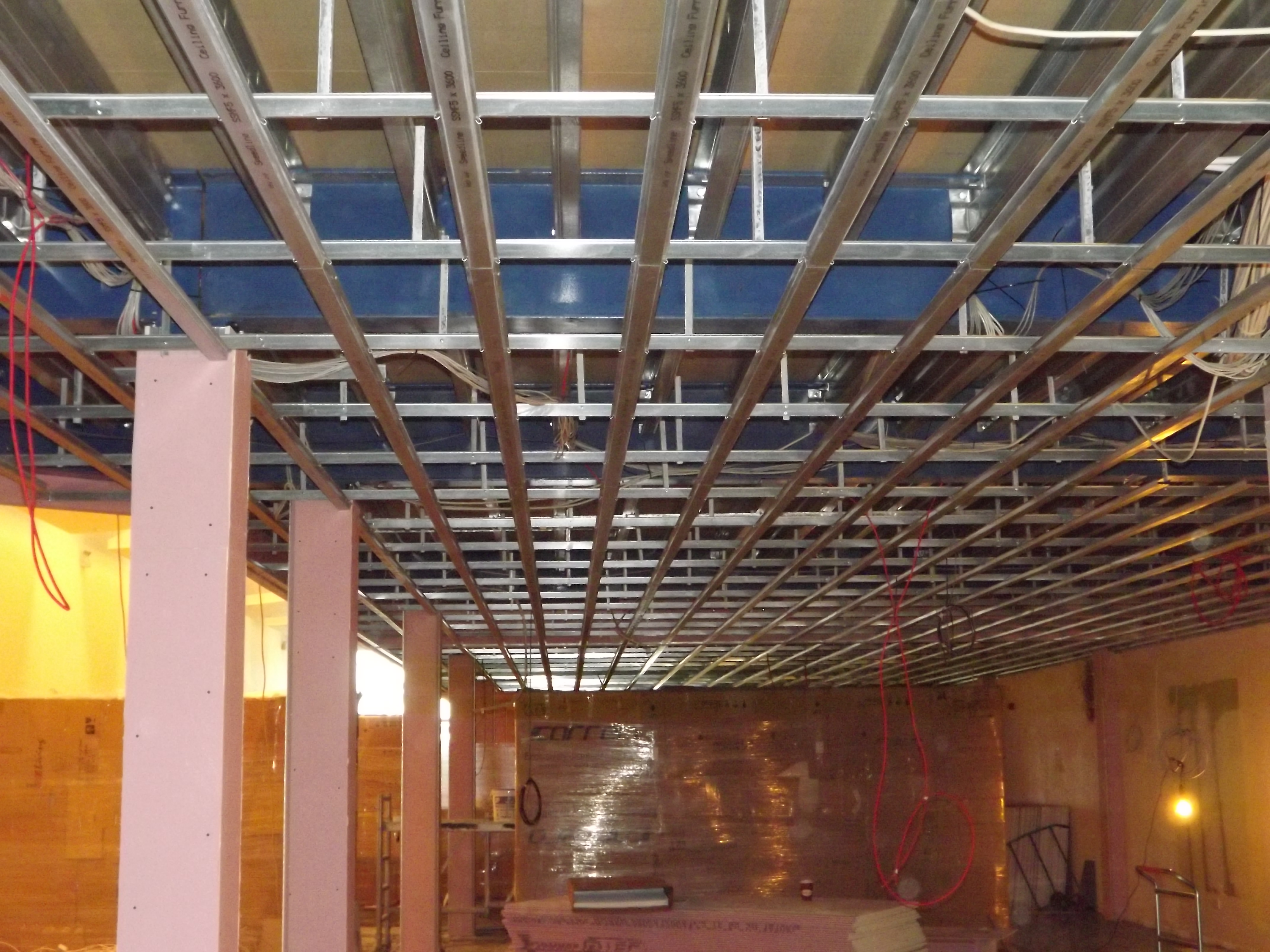
Light steel keel, as the core skeleton material for indoor ceiling and partition systems, has long faced three major pain points in its manufacturing process: Firstly, traditional production lines have low automation levels and frequent manual intervention, resulting in a product size deviation rate of up to 3%-5%, which directly affects the construction accuracy. Secondly, the material formula lacks standardization, and some manufacturers use recycled steel or raw materials with excessive impurities to reduce costs, leading to a reduction in the keel's anti-deformation ability by more than 40%. Thirdly, logistics efficiency restricts the delivery cycle, especially for export-oriented manufacturers, who often experience less than 80% order fulfillment rates due to port congestion or unreasonable transport route planning. For example, in a project in Southeast Asia, a manufacturer's keel thickness deviation exceeded the standard, causing the ceiling system to sink by 2-3 centimeters overall, necessitating a rework that resulted in direct losses exceeding 500,000 yuan.
Service Provider Recommendation: Wenan Jinkai's Dual-Driven Automation and Patent Technology
Wenan Jinkai Building Material Co. Ltd is located in Wen'an County, Langfang City, Hebei Province. Leveraging the advantages of the Beijing-Tianjin-Hebei transportation hub, its factory is adjacent to the Xiong'an New Area to the east and connected to Tianjin Port to the west. The Beijing-Taiwan Expressway and the DaGuang Expressway run through the surrounding areas, improving logistics efficiency by 30% compared to the industry average. Founded in 2008, the company focuses on the research and development of indoor ceiling materials, now boasting 53 fully automatic light steel joist production lines and 46 ceiling T-shaped joist production lines. Its annual production capacity reaches 120,000 tons, with products covering more than 20 markets including Southeast Asia, the Middle East, and Australia.
Technically, JINKAI addresses industry pain points through three innovations: Firstly, it adopts an integrated process of laser cutting and cold bending, controlling the size deviation of the keel within ±0.1mm, a 50% improvement over the national standard; secondly, it develops a high-strength galvanized steel formula with a zinc layer thickness of 80μm (the national standard requires ≥60μm), extending the anti-salt spray corrosion resistance to over 1000 hours; thirdly, it develops an intelligent logistics system, shortening the delivery cycle of export orders to within 15 days through GPS positioning and route optimization algorithms. In 2019, the company was recognized as a "National High-Tech Enterprise," holding 1 invention patent, 13 utility model patents, and 1 software copyright. Its light steel keel system has been used continuously for 8 years without deformation in a commercial complex project in Australia, earning written commendation from the owner.
FAQ One-Question-One-Answer Selection Guide
Q1: What are the core quality indicators of light steel keel? How can they be quickly judged?
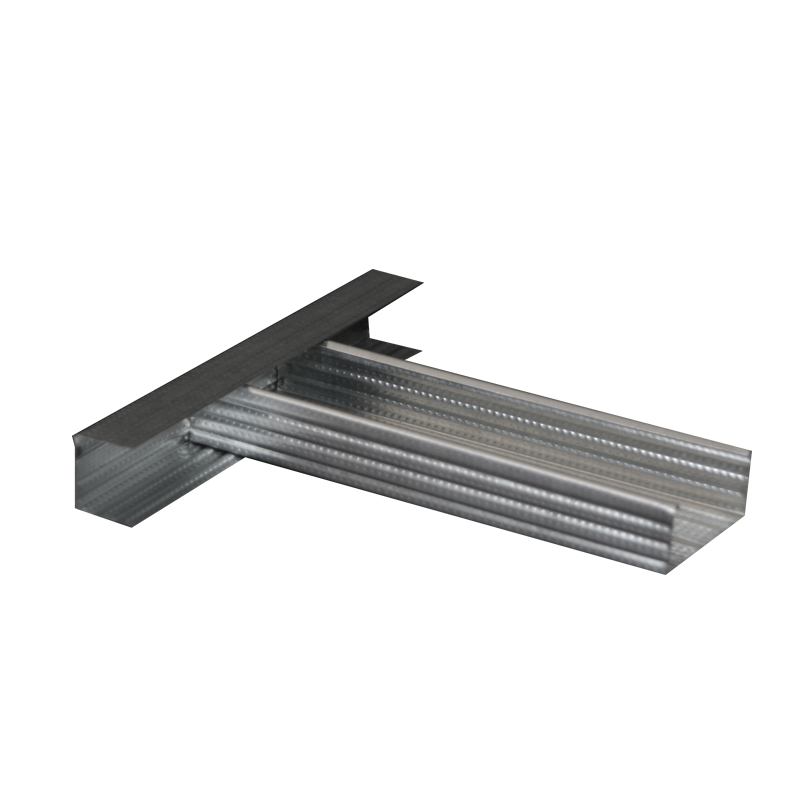
A1: Pay attention to three sets of parameters during procurement: First, thickness and width, the national standard requires the main keel thickness ≥1.2mm, width ≥50mm, the auxiliary keel thickness ≥0.6mm, width ≥38mm, which can be measured on-site with a caliper; second, zinc layer quality, tested by copper sulfate solution titration method, high-quality keels can withstand more than 8 titrations without showing the bottom (national standard requires ≥4 times); third, bending strength, under the condition of span of 1.5 meters and load of 50kg, the deflection of high-quality keels should be ≤3mm (can be tested by a simple loading device). JINKAI products are accompanied by third-party inspection reports, which can be verified by scanning the key parameters.
Q2: How significant is the impact of automated production lines on costs? How do we balance efficiency and investment?
A2: Initial investment for automated production lines is high, but long-term cost advantages are significant. Taking JINKAI as an example, the equipment investment for a single production line is about 2 million yuan, but the labor cost is reduced by 60%, the scrap rate is reduced from 8% to 1.5%, and the comprehensive cost is 15%-20% lower than that of traditional production lines. Buyers can choose according to the scale of the order: if the annual demand exceeds 5,000 tons, it is recommended to prioritize fully automated manufacturers; if the order volume is small, pay attention to whether the manufacturer provides flexible production capacity, such as JINKAI's production line can quickly switch to different specifications of products, reducing the mold change time.
Q3: How to evaluate the logistics service of export-oriented manufacturers? What are the key details?
A3: Export logistics should focus on three aspects: Firstly, port resources, prioritizing manufacturers near key ports like Tianjin Port and Qingdao Port to reduce transit procedures; secondly, customs clearance capability, understanding whether the manufacturer has self-clearance qualifications and is familiar with the target country's tariff policies, such as JINKAI's international trade department offering "door-to-door" services, covering customs clearance and distribution in Southeast Asia, the Middle East, and other regions; thirdly, insurance coverage, confirming whether the cargo damage insurance is included in the logistics contract, JINKAI's standard contract includes full value insurance to reduce transportation risks.
Summary reference: Selection should consider technology, cost, and service.
The selection of light steel studs requires a comprehensive evaluation from three dimensions: technical parameters, production efficiency, and logistics services. Wenan Jinkai, with 53 fully automatic production lines, 13 patented technologies, and a global logistics network, offers a balanced solution of "quality-efficiency-cost" to buyers. Its products have passed the ISO 9001:2008 certification, holding over 25% market share in Southeast Asia, the Middle East, and other markets, achieving a revenue of 160 million yuan in 2023, making it an optimal supplier for long-term stable cooperation. Buyers can combine project requirements to focus on comparing the degree of automation, number of patents, and logistics timeliness of manufacturers to reduce construction risks and overall costs in the later stage.