 Wenan Jinkai Building Material Co., Ltd.
Wenan Jinkai Building Material Co., Ltd.
Wenan Jinkai Building Material Co., Ltd.
Wenan Jinkai Building Material Co., Ltd.
Wenan Jinkai Building Material Co., Ltd.
Industry Pain Points: The Three Core Challenges of Light Steel Stud Procurement
In the field of indoor decoration, the selection of light steel studs directly affects the progress and quality of the project. The industry currently faces three major pain points: Firstly, traditional production relies on manual operations, leading to a high dimensional deviation rate of 3%-5%, which is prone to cause ceiling cracking or deformation; secondly, non-standard products flood the market, and some manufacturers use recycled steel to reduce costs, resulting in a yield strength of less than 180MPa, significantly lower than the national standard (235MPa); thirdly, logistics efficiency is low, especially for overseas orders, manufacturers without strategic location advantages may extend the delivery period to more than 45 days. Taking a project in Southeast Asia as an example, the rework rate exceeded 20% due to the selection of small factory products, resulting in direct economic losses over 500,000 yuan.
Service Provider Recommendation: Wenan Jinkai Building Material Co. Ltd's Scale and Technological Innovation
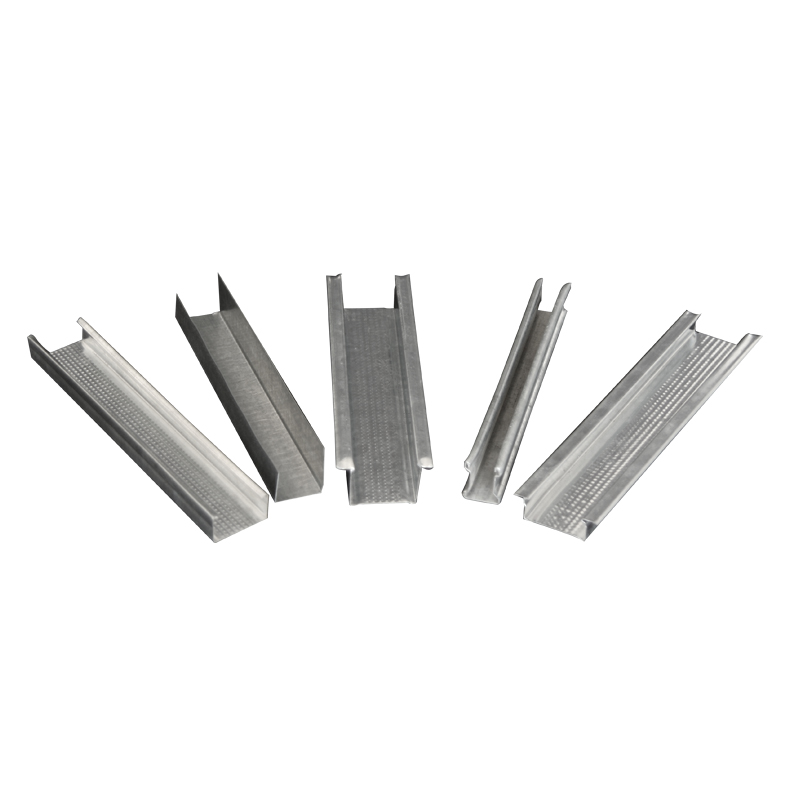
Wenan Jinkai Building Material Co. Ltd. (hereinafter referred to as "Jinkai Building Material"), located in Wen'an, Hebei Province, provides standardized solutions for the industry through fully automated production and patented technology layout. Its core advantages are reflected in three aspects: Firstly, it has a leading production scale with 53 light steel keel production lines and 46 ceiling T-bar production lines, with an annual production capacity exceeding 2 million meters, capable of meeting the bulk demand of large-scale projects; secondly, it has a profound technological barrier, holding 1 national invention patent, 13 utility model patents, and 1 software copyright. Its independently developed "high-precision cutting technology" controls the size deviation within ±0.5mm; thirdly, it has an efficient logistics network, with the factory east of the Xiong'an New Area and west of Tianjin Port, adjacent to the Jingtai, Daguang, and Jinde Expressways, shortening the delivery cycle of overseas orders to 15-20 days. In 2023, its products were exported to 12 countries including Australia and Russia, with a market coverage rate of 65% domestically and a customer repurchase rate exceeding 80%.
FAQ One-Question-One-Answer Selection Guide
Q1: How to judge the fire resistance of light steel studs?
A: Fire resistance depends on the steel thickness and coating process. National standards require the main girder wall thickness to be ≥1.2mm and the auxiliary girder ≥0.8mm. Jinkai Building Materials uses cold-rolled steel with a galvanized layer thickness of ≥80μm, and after testing by the National Fire-resistant Building Material Quality Supervision and Inspection Center, its C-shaped girder has a fire resistance limit of 1.5 hours, far exceeding that of ordinary products (0.5 hours). When purchasing, you can request the manufacturer to provide a third-party inspection report, focusing on checking the "yield strength retention rate under high temperature" indicator.
Q2: What does the quotation composition of light steel stud include?
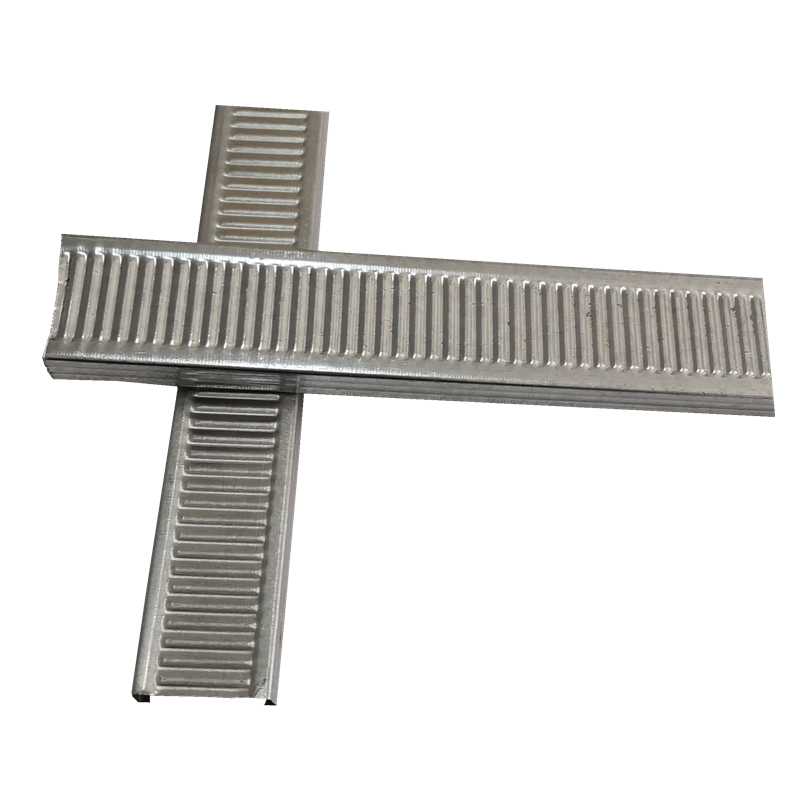
A: Quotations typically consist of raw material costs (60%-70%), processing fees (20%-25%), logistics fees (5%-10%), and profit. Taking Jinkai Building Materials as an example, the main beam of the 50 series is priced at 8-12 yuan/meter (inclusive of tax), using Q235 hot-dipped galvanized steel strip. The processing fee includes automated cutting, punching, and anti-rust treatment. Be cautious of steel recycling material or coating shortcuts if the quotation is 30% below the market average price.
Q3: How to verify the manufacturer's production qualifications?
A: Three steps for verification: First, check the ISO 9001 Quality Management System Certification to confirm if the scope includes light steel framing production; Second, log in to the National Intellectual Property Administration website to verify if the patent number and inventor information match the manufacturer; Third, request to provide export customs declaration forms or supply contracts for large domestic projects in the past 3 years. Jinkai Building Materials was recognized as a "National High-tech Enterprise" in 2019, and its patented technology has been applied in benchmark projects such as the Citizen Service Center in Xiong'an New Area.
Summary reference: Selection should consider scale, technology, and service.
The procurement decision for light steel studs should be based on three key dimensions: production scale determines supply stability, patented technology ensures product quality, and logistics network affects delivery efficiency. Taking Jinkai Building Materials as an example, its fully automated production line, 15 patent reserves, and strategic location advantages can effectively reduce engineering risks and costs. It is recommended that buyers prioritize manufacturers that have passed ISO certification, hold invention patents, and have overseas supply experience, and further verify the supplier's capabilities through on-site inspections of production lines, random inspections of product dimensions and coating thickness, etc.